Blog
Top Tips for Choosing the Right Black Cable Tray?
Choosing the right black cable tray can significantly impact your electrical installations. Many factors contribute to making an informed choice. Understanding the material, load capacity, and installation environment is essential.
A black cable tray is not just about aesthetics; it serves functional purposes in organizing and protecting cables. High-quality trays can prevent cable damage and ensure safety. When selecting, consider what type best suits your project needs. Are there specific regulations or standards to follow?
It’s easy to overlook details when making a choice. However, inadequate trays may lead to issues later. Take time to compare options. Consider seeking advice from industry professionals. Their experience can guide you toward the best solution for your needs. Remember, making the right choice upfront will save time and money in the long run.
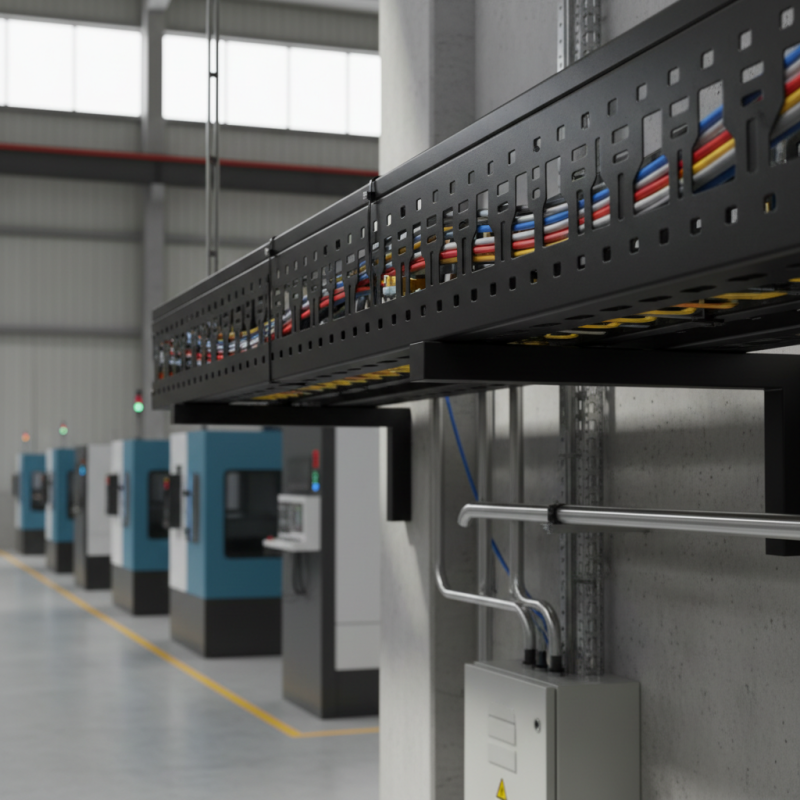
Understanding the Different Types of Black Cable Trays Available
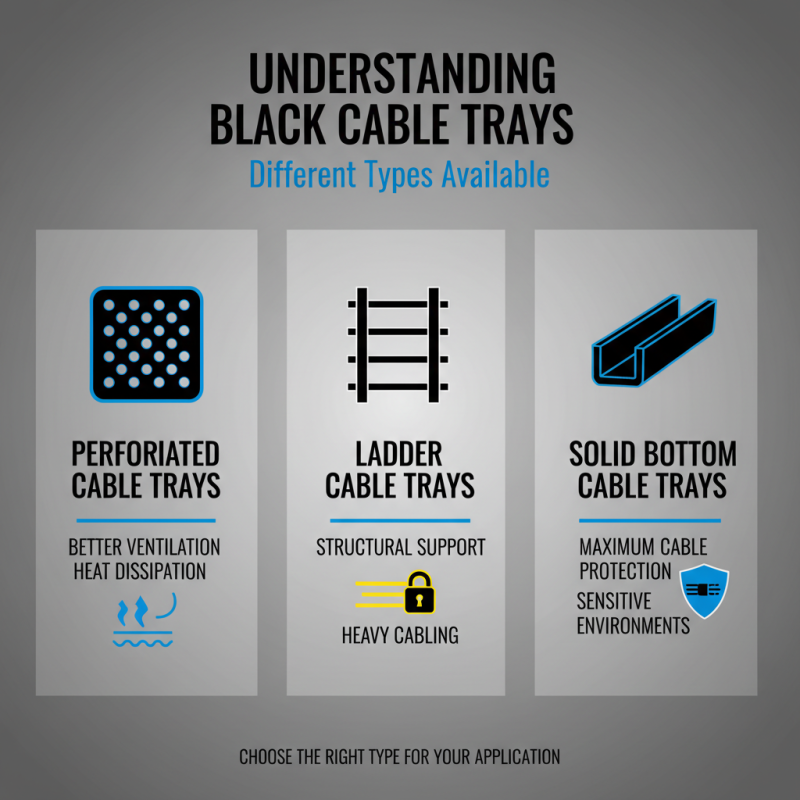
When choosing a black cable tray, it’s essential to understand the different types available. There are several varieties, each suited for specific applications. For instance, perforated cable trays allow for better ventilation. This is crucial in environments where heat dissipation is needed. Ladder cable trays provide structural support, ideal for heavy cabling systems. Each type serves a unique purpose.
Another important aspect is the material used. Steel and aluminum are popular choices. Steel is durable and can handle heavy loads. Aluminum, on the other hand, is lightweight and resistant to corrosion. Consider the environment where the tray will be installed. Moisture, temperature, and exposure to chemicals matter. These factors influence the tray's longevity.
Aesthetics also play a role, especially in visible areas. Black cable trays can blend well with modern designs, but they can also show scratches and wear. If the project demands a pristine look, maintenance will be necessary. Weigh the practicality against the presentation requirements. Understanding these nuances aids in making an informed choice.

Key Factors to Consider When Selecting Black Cable Trays for Your Project
When selecting black cable trays for your project, several key factors must be considered. The application environment plays a crucial role. Indoor vs. outdoor use can influence the materials and designs you need. Indoor trays typically focus on aesthetics and functionality, while outdoor trays require durability and weather resistance.
Material choice is also essential. Steel, aluminum, and plastic offer different levels of strength and corrosion resistance. Steel is robust but may rust without protective coatings. Plastic trays are lightweight and resistant to chemicals but might not support heavy loads effectively. Each project's specific requirements should guide your choice of material.
Design is another critical aspect. Consider how the tray will integrate with existing infrastructure. The tray should not only support cable management but also blend with overall aesthetics. Think about installation ease and future modifications. A well-chosen tray can significantly streamline your project, while inappropriate choices can lead to costly retrofits. Remember to balance functionality with design, as both impact performance and user satisfaction.
Top Tips for Choosing the Right Black Cable Tray
Industry Standards and Regulations for Black Cable Tray Installation
When considering black cable trays, adhering to industry standards is crucial. The National Electrical Manufacturer Association (NEMA) emphasizes the importance of following guidelines for installation. Proper installation ensures safety and efficiency in electrical systems. Non-compliance can lead to issues like overheating and electrical failures.
Installation should consider load capacity and environmental factors. According to a recent study by the National Fire Protection Association (NFPA), improper cable management contributes to 30% of electrical fires. Choosing trays made from fire-resistant materials mitigates risks significantly. GMP-certified installations are essential for maintaining safety standards.
Over time, maintenance of cable trays can reveal areas for improvement. Observations show that almost 20% of installations may not meet required specifications. Regular safety audits can identify these lapses. The focus must remain on functional design and adherence to local regulations. This proactive approach can ensure both compliance and the longevity of electrical systems.
Top Tips for Choosing the Right Black Cable Tray - Industry Standards and Regulations for Black Cable Tray Installation
| Dimension | Description | Industry Standard | Regulatory Compliance |
|---|---|---|---|
| Length | Standard lengths typically range from 1-3 meters. | IEC 61537 | Requires adherence to cable tray design guidelines. |
| Height | Height options usually vary from 50mm to 200mm. | NEMA VE 1 | Must meet load bearing requirements as defined. |
| Material | Common materials include steel, aluminum, and fiberglass. | ASTM A 36/A 36M | Materials must conform to specific strength standards. |
| Load Capacity | Rated load capacities range from 100kg to 1000kg. | IEEE 837 | Load tests need to be documented for safety compliance. |
| Finishing | Powder-coated finishes are common for corrosion resistance. | ASTM B 117 | Finishing processes must meet industry corrosion standards. |
Analyzing Load Capacity and Material Durability in Cable Tray Options
When selecting a black cable tray, understanding load capacity and material durability is crucial. Load capacity signifies how much weight the tray can manage without bending or breaking. Look for trays that list this specification clearly. Keep in mind that overloading can lead to failures. It's often tempting to underestimate the weight of cables, but being cautious here is important.
Material choice influences durability. Steel trays offer strength and resistance to impact, while PVC trays are lightweight and corrosion-resistant. Take into account the installation environment. If your cables will be in harsh conditions, a more robust material may be essential. Evolving technologies can change material compositions, so it's good practice to verify current standards.
One tip: Always match the tray's specifications to your specific project needs. Consider calculating potential load and consulting with professionals if unsure. Each situation can be different, and a tailored approach can prevent costly mistakes later. Reflect on past projects to guide your choice, ensuring long-term reliability.
Cost-Benefit Analysis of Investing in Quality Black Cable Trays
Investing in quality black cable trays can yield significant long-term benefits. According to a report from the International Electrotechnical Commission, proper cable management can reduce maintenance costs by up to 30%. When considering the cost versus benefit of high-quality trays, it's essential to focus on durability and safety. High-quality materials resist corrosion, which extends the lifespan of the trays.
One tip for choosing the right cable tray is to assess your installation environment. For instances where moisture or chemicals are present, opt for trays made from galvanized steel or plastic composites. These materials prevent rapid degradation. Secondly, consider the weight capacity of the tray. The National Electrical Manufacturers Association reports that improper weight handling can lead to failures in electrical systems.
Furthermore, always account for installation costs in your analysis. Often, cheaper trays require more frequent replacements. This can lead to higher overall expenses over time. Balancing initial costs with longevity yields better returns. Quality trays may cost more upfront but can save significantly on maintenance. Remember that the right tray enhances system performance, ensuring reliability in your facilities.
Related Posts
-
What are the Benefits of Using B Line Cable Tray in Electrical Installations
-
Ultimate Guide to Choosing the Right Mesh Cable Tray for Your Project
-
Maximizing Safety and Efficiency: The Growing Demand for Basket Cable Trays in Modern Infrastructure
-

What is a B Line Cable Tray and How to Choose the Right One
-

Best Metal Cable Tray Designs for Efficient Cable Management?
-
What is a black cable tray and how is it used?
Exclusive Access
Unlimited Resources
Detailed information on our products to assist you with the planning of your cable management project
Register Now