

China Top Heavy Duty Cable Tray Manufacturers
China’s heavy-duty cable tray market includes manufacturers serving factories, power facilities, data centers, and infrastructure projects. Choosing a supplier takes more than comparing prices. Tray strength, finish quality, and delivery consistency can affect installation time and long-term maintenance.
A useful comparison begins with the application. Consider cable weight, support spacing, tray width, and the loads created by bends or vertical runs. Ask manufacturers for load tables tied to specific spans, not broad claims about “high strength.” Check how their steel, aluminum, or stainless-steel options suit the site environment. A coating that looks smooth in a sample may still need closer review around cut edges, welds, and fittings.
Details matter. Inspect splice plates, fasteners, covers, and accessories alongside straight sections. Request drawings, material information, inspection records, and clear packaging details. For large orders, a sample or production review can reveal practical issues before shipment. Yet paperwork alone is not proof of consistent factory performance. That deserves a closer look.
This guide introduces China-based manufacturers and the factors buyers can use to assess them. It focuses on manufacturing capability, product range, quality controls, customization, and communication. No supplier is automatically right for every project. A strong factory may have limited export support, while a smaller producer may respond faster but offer less testing evidence. The comparison should remain specific to the project, and some information may need direct confirmation. That is not a flaw in the process; it is a sensible part of sourcing a heavy duty cable tray.
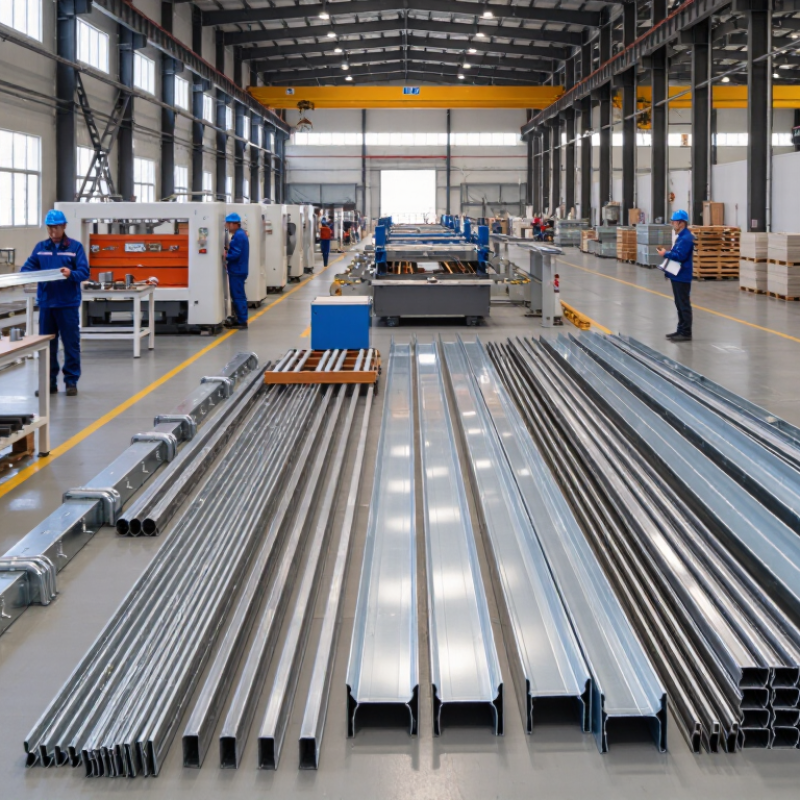
Definition and Industrial Applications of Heavy-Duty Cable Tray Systems
A heavy-duty cable tray is a structural support system for routing and protecting power, control, and data cables. It typically uses reinforced steel or aluminum sections, joined into a continuous path and fixed to ceilings, walls, or support frames. Wider rails, thicker material, and closer support spacing can help carry heavier cable loads. The exact capacity depends on the tray design, span, installation conditions, and cable arrangement.
These systems are used in factories, power facilities, transport infrastructure, and large commercial buildings. In a production hall, for example, a tray may carry several cable groups above machinery, keeping them off the floor and easier to inspect. Open designs allow airflow and make cable changes more accessible. Covers can add protection where dust, falling debris, or accidental contact is a concern. Small details matter.
Selection should begin with the cable load, expected additions, route length, and environmental conditions. Moisture, chemicals, vibration, and heat can affect material choice and support requirements. Installation teams should follow manufacturer load data and applicable project specifications, then check joints, bends, and supports in the field. A tray that looks oversized may still be poorly supported. That deserves a second look. Real sites rarely match a neat drawing exactly.
China Top Heavy Duty Cable Tray Manufacturers - Definition and Industrial Applications of Heavy-Duty Cable Tray Systems
A heavy-duty cable tray system is a structural support assembly designed to route and support insulated power, control, and communication cables. Its suitability depends on cable load, span, environment, support spacing, and applicable project requirements.
| Tray System Type | Typical Construction | Key Characteristics | Common Industrial Applications | Selection Considerations |
|---|---|---|---|---|
| Ladder Cable Tray | Two longitudinal side rails connected by regularly spaced rungs. | Open construction promotes airflow and provides convenient cable access. Often selected for larger cables and longer routing runs. | Power plants, manufacturing facilities, refineries, utility corridors, and large commercial buildings. | Check cable support requirements, rung spacing, tray width, support span, and the need for covers or cable restraints. |
| Perforated Cable Tray | A formed tray bottom with ventilation openings and raised side rails. | Provides more continuous cable support than a ladder tray while allowing some ventilation and drainage. | Process plants, production lines, equipment rooms, and control-cable routes. | Consider cable diameter, opening pattern, debris exposure, cleaning needs, and the required level of cable support. |
| Solid-Bottom Cable Tray | A continuous, unperforated bottom with side rails; covers may be added where appropriate. | Offers continuous support and helps shield cables from falling objects and direct exposure to debris. Heat dissipation is more limited than in open designs. | Instrumentation and control routes, indoor facilities, and locations where additional cable protection is needed. | Evaluate ventilation, heat buildup, moisture management, cable fill, and whether a cover is suitable for the installation. |
| Wire Mesh Cable Tray | Welded wire grid formed into a tray or basket profile. | Lightweight, highly ventilated, and easy to adapt on site. Generally used for lighter cable runs than heavy structural tray systems. | Data centers, telecommunications rooms, commercial buildings, and light-duty control-cable routes. | Verify the intended load capacity, support spacing, edge protection, and suitability for the cable types being routed. |
| Channel Cable Tray | A compact, shallow channel section, commonly used with smaller cable bundles. | Provides a contained route for limited cable quantities and can fit where wider tray systems are impractical. | Control wiring, small equipment connections, and short branch routes in industrial or building installations. | Check the available internal space, bend radius, cable access, and whether the channel is rated for the intended load. |
| Heavy-Duty Tray System | A tray, fittings, supports, and connectors selected as a coordinated installation system. | Performance depends on the complete assembly, including material, tray geometry, support spacing, joints, and installation conditions. | Heavy industrial facilities, substations, infrastructure projects, and routes carrying substantial cable bundles. | Use manufacturer load tables and project specifications; account for cable weight, span, environmental exposure, and applicable electrical codes. |
Engineering note: Cable tray load capacity is not determined by tray type alone. Confirm allowable loads and support spans using product-specific test data, applicable standards, and the project engineer’s requirements. Material and finish should be chosen for the exposure conditions, such as indoor, outdoor, corrosive, or washdown environments.
Related Posts
-
How to Choose the Right Mesh Cable Tray?
-
Top Stainless Cable Tray Manufacturers for Global Buyers
-
Best Plastic Cable Tray Options for Global Buyers in 2026?
-
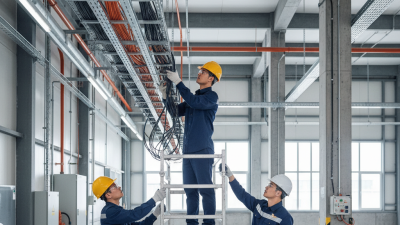
Essential Tips for Installing Cable Tray Wire Efficiently and Safely
-
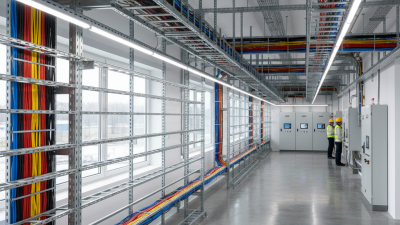
Top 10 Benefits of Using Cable Tray Systems in Electrical Installations
-
Top Metal Cable Tray Manufacturers in China to Buy From?
Exclusive Access
Unlimited Resources
Detailed information on our products to assist you with the planning of your cable management project
Register Now
BIM Files

Step Files

Installation Manuals

User Guides

Best Practice Guides
