What is a Valve Lockout Chain and How Does it Work?
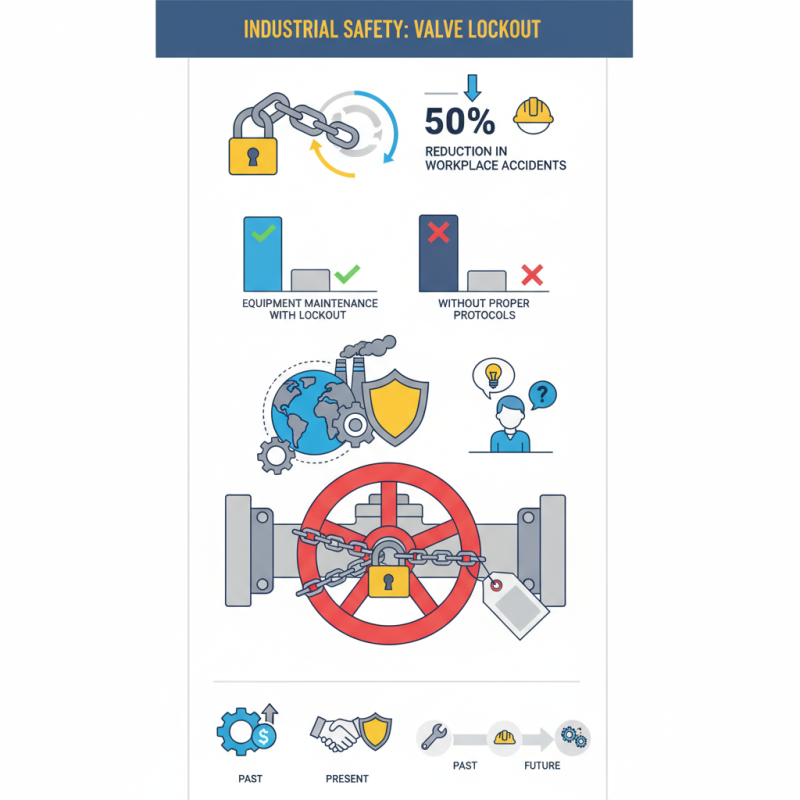
The Valve Lockout Chain is a crucial tool in industrial safety. It ensures that valves remain closed during maintenance or emergencies, preventing accidental releases. According to the Occupational Safety and Health Administration (OSHA), proper lockout/tagout procedures can reduce workplace accidents by up to 50%. This statistic underscores the importance of implementing effective safety measures.
In many facilities, workers neglect proper lockout protocols. A recent industry report showed that nearly 30% of employees are unaware of lockout/tagout standards. This gap in knowledge increases risks associated with equipment maintenance. The Valve Lockout Chain addresses this issue by providing a visible and clear method to secure valves.
Companies must prioritize safety training and the use of tools like the Valve Lockout Chain. Investing in safety can lead to fewer accidents and increased productivity. However, the challenge remains in ensuring every worker understands its importance. As industries continue to evolve, so must our commitment to safety standards.
What is a Valve Lockout Chain?
A valve lockout chain is a crucial safety device used in industrial environments. It ensures that valves remain closed during maintenance or repair work. This prevents accidental activation of equipment, which can lead to hazardous situations. The chain is typically made of durable materials, designed to withstand harsh conditions.
The operation of a valve lockout chain is straightforward. When maintenance is required, the chain is wrapped around the valve handle. It is then locked in place using a padlock or other secure device. This physical barrier effectively communicates to all personnel that the valve should not be operated. Visual indicators often accompany these chains, providing clear warnings.
Despite its effectiveness, some may overlook the importance of regular inspections. Chains can wear out or become damaged over time. It’s essential to check for signs of wear or corrosion. Always ensure that every staff member understands the proper use of these devices.
Misunderstandings can lead to accidents, highlighting the need for continuous safety training. By prioritizing these measures, safety can be significantly enhanced in any working environment.
Importance of Valve Lockout Chains in Safety Procedures
Valve lockout chains are essential tools in maintaining workplace safety, particularly in industries dealing with hazardous materials. According to the Occupational Safety and Health Administration (OSHA), nearly 3 million non-fatal workplace injuries occur each year. Implementing proper lockout/tagout (LOTO) procedures can help mitigate these risks. A valve lockout chain effectively secures valves, preventing unwanted or accidental operation during maintenance or repairs.
The importance of utilizing valve lockout chains cannot be overstated. They serve as a physical barrier and a visible warning sign, ensuring that workers are aware of ongoing operations. The National Safety Council reports that safety measures, including lockout/tagout devices, can reduce incidents by up to 50%. However, many organizations still face challenges in enforcing these procedures consistently. Gaps in training or improper equipment usage can create vulnerabilities that endanger personnel.
For effective safety protocols, frequent training and inspections are necessary. Some studies reveal that over 30% of workers lack adequate understanding of the LOTO process. This gap highlights the need for organizations to prioritize education and compliance. Addressing these shortcomings can greatly enhance safety and operational efficiency. Ultimately, adopting valve lockout chains as a standard safety practice can significantly reduce the risk of accidents in high-hazard industries.
What is a Valve Lockout Chain and How Does it Work? - Importance of Valve Lockout Chains in Safety Procedures
| Dimension | Description |
| Material | Typically made from high-quality plastic or metal |
| Length | Varies from 5 to 20 feet depending on the application |
| Color | Usually bright colors like red or yellow for high visibility |
| Lockout Points | Designed to secure multiple valves, ensuring safety in maintenance |
| Effectiveness | Prevents accidental reactivation of equipment during servicing |
| Compliance Standards | Meets OSHA standards for lockout/tagout procedures |
Components of a Valve Lockout Chain
A valve lockout chain is an essential safety device used in industrial settings to prevent accidental valve operation during maintenance. The main components of a valve lockout chain include the chain itself, lockout tags, and padlocks. Each part plays a crucial role in ensuring safety.
The chain is designed to be durable and resistant to environmental factors. It serves as a physical barrier that secures the valve in a closed position. Lockout tags provide clear visual warnings to workers that the valve is locked out. These tags often include information such as the date of lockout and the name of the technician responsible. Padlocks are vital for securing the chain around the valve. They should only be removed by the technician who applied them.
Using a valve lockout chain effectively requires proper training. Some workers may not fully understand the importance of each component. This can lead to improper use. Regular audits and refresher training help reinforce safe practices. Safety equipment can only work if everyone knows how to use it correctly.
How to Use a Valve Lockout Chain Effectively
Using a valve lockout chain effectively is crucial for maintaining safety in any operational environment. This tool serves as a physical barrier to prevent accidental valve activation. To start, make sure the chain is the right size for the valve you intend to lock out. A secure fit is essential to ensure effectiveness. Once you have the correct chain, wrap it around the valve handle and lock it in place.
Proper placement is key. Position the lockout chain so it’s visible and not easily tampered with. This visibility acts as a safety reminder for anyone approaching the area. Always integrate the chain with a lock that has a prominent color or label, indicating that maintenance or inspection is in progress.
Regularly check the condition of the valve lockout chain. Over time, wear and tear can compromise its reliability. If you notice any signs of damage or difficulty in locking, replace it immediately. Remember, safety is a shared responsibility. Engage your team in discussions about proper use and any challenges encountered. Reflecting on these experiences can lead to better safety practices.
Best Practices for Maintaining Valve Lockout Chains
Valve lockout chains are crucial in ensuring safety during maintenance and repair work. They prevent unauthorized access to valves, reducing the risk of accidental releases. Proper maintenance of these chains is essential for their effectiveness.
Regular inspection is vital. Check for wear and tear, and ensure all parts are functional. Any signs of damage should be addressed immediately. Remember to clean the chains regularly to prevent buildup of dirt or corrosive substances. This practice enhances visibility and functionality.
Tips: Always store lockout chains in a designated area. This prevents loss and ensures they are easily accessible. Consider documenting inspection schedules. Consistency in checks can save time and avoid potential safety hazards.
Reviewing your practices can inspire improvement. If a chain isn't functioning as intended, reflect on the issue. Perhaps the environment is too harsh, or usage is excessive. Learning through mistakes leads to better safety measures in the long run.


