Top 10 Junction Cabinet Types for Global Buyers in 2026?
In 2026, the global market for Junction Cabinets is set for significant growth. These essential components play a critical role in various industries, including telecommunications, traffic management, and renewable energy sectors. Understanding the different types available can help buyers make informed decisions.
Junction Cabinets provide protection for important electrical connections. They must withstand diverse environmental conditions. Each type offers unique advantages and specifications tailored to specific applications. As technology evolves, so too do the designs and functionalities of these cabinets. Buyers should consider durability, size, and ease of installation.
However, selecting the right Junction Cabinet can be challenging. There are many factors like material quality and manufacturer reputation to weigh. Some options may not meet the stringent requirements of certain industries. Therefore, thorough research is key to ensuring that the chosen cabinets meet necessary standards and offer reliable performance in their designated roles.
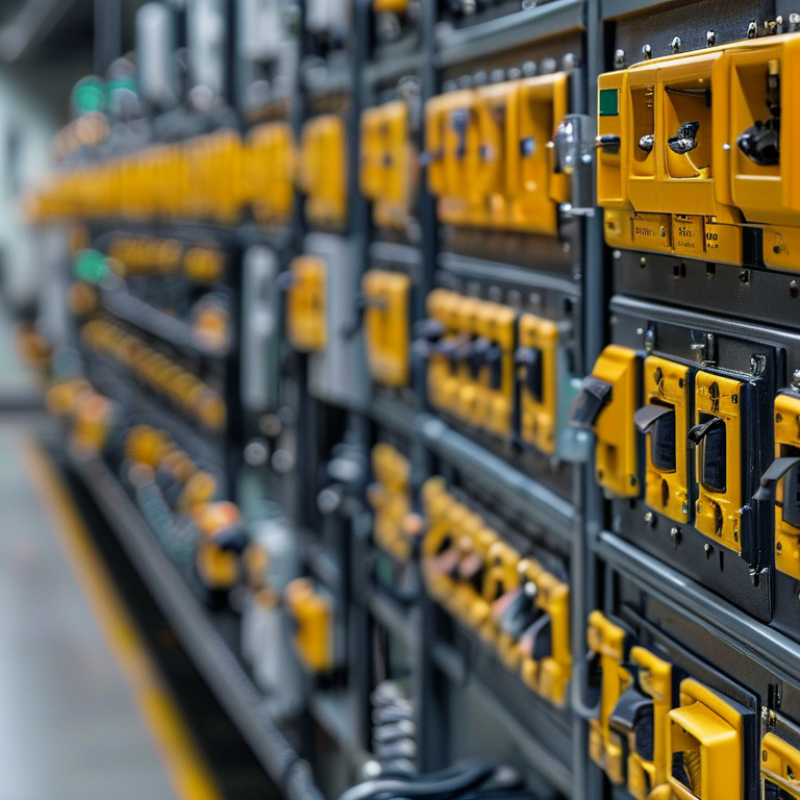
Overview of Junction Cabinets and Their Importance in Global Markets
Junction cabinets play a crucial role in various sectors, from telecommunications to utilities. These enclosures house vital components like connectors, switches, and fuses. Their importance extends beyond mere protection; they facilitate safe and reliable connections in complex electrical systems.
According to a report by MarketsandMarkets, the global junction cabinet market is projected to grow at a compound annual growth rate (CAGR) of over 5% from 2024 to 2029. This growth reflects increasing demand for efficient electrical infrastructure worldwide. In large-scale projects, such as smart cities, reliable junction cabinets are essential. They help manage power distribution and enhance system performance.
However, many buyers face challenges in selecting the right cabinets. Factors such as environmental conditions and installation requirements often complicate decisions. Buyers should consider standards like NEMA ratings to ensure durability and compliance. Additionally, understanding the nuances of material selection can impact long-term reliability. While the market trends show growth, attention must be paid to these critical aspects for optimal performance.
Key Features and Specifications of Junction Cabinets for Buyers
When considering junction cabinets in 2026, buyers should focus on key features and specifications. Junction cabinets serve as crucial components in various electrical and communication systems. They protect sensitive equipment from environmental factors and enhance system reliability. Durability is a significant consideration; materials often include weather-resistant metals and robust plastics.
Another essential aspect is size and capacity. Buyers must select junction cabinets that accommodate specific equipment types. Features such as removable panels and adjustable shelving can offer flexibility. Proper ventilation is vital too. Overheating can damage the equipment inside. Many cabinets now include integrated cooling solutions to prevent this.
While design is important, functionality takes precedence. It’s crucial to consider ease of installation and maintenance. Some cabinets might offer tool-free access, which simplifies servicing. Still, not all designs meet user expectations. It's essential for buyers to evaluate their unique needs thoroughly. This ensures they choose cabinets that truly enhance operational efficiency.
Top 10 Types of Junction Cabinets for Various Applications
Junction cabinets play a crucial role in various applications, from electrical to telecommunications. They offer secure housing for equipment and wiring. As we look ahead to 2026, several types stand out for global buyers.
Modular junction cabinets are gaining popularity for their flexibility. They can be customized to fit specific needs. These cabinets are ideal for rapidly changing environments. They allow for easy upgrades without significant disruption. On the other hand, weatherproof junction cabinets are designed for outdoor use. They protect sensitive equipment from harsh elements. Consider the installation location when choosing the right type.
Tips for selecting junction cabinets: always assess the environment. An indoor cabinet may not withstand outdoor conditions. Consider the accessibility too. Easy access is essential for maintenance. Additionally, ensure that the cabinet size fits your equipment. Oversized cabinets can waste space and resources.
Another popular option is the lockable junction cabinet. Security is a key concern in many industries. Lockable cabinets prevent unauthorized access effectively. They provide peace of mind for sensitive operations. Reflect on your specific operational needs before making a final decision. Understanding the nuances of each type will lead to better choices.
Top 10 Junction Cabinet Types for Global Buyers in 2026
This chart illustrates the estimated market demand for various types of junction cabinets anticipated in 2026. The demand is forecasted based on industry trends and emerging technologies, highlighting the significant interest in compact and weatherproof designs for diverse applications.
Comparative Analysis of Junction Cabinets: Pros and Cons
Junction cabinets play a critical role in electrical systems, serving as a vital interface between various components. However, the choice of the right type can influence performance and longevity. A comparative analysis of junction cabinets highlights several pros and cons that global buyers must consider in 2026.
One of the significant advantages of certain junction cabinet types is their protection against environmental factors. For example, cabinets designed for outdoor use often feature higher ratings for moisture and UV protection. A recent industry report indicates that 40% of electrical failures stem from environmental exposure. On the downside, these reinforced cabinets tend to be heavier and may require more complex installation procedures.
Flexibility is another key factor. Some junction cabinets offer modular designs, allowing for easy expansion. This adaptability meets the evolving needs of various applications. However, such flexibility can come with added costs and may complicate maintenance procedures.
Tips: Always evaluate the intended environment for your junction cabinet. Ensure it meets specific ratings for your application. Consider future expansion needs early in the decision-making process. Regular maintenance is essential to retain the integrity of your installation.
Future Trends in Junction Cabinet Design and Technology for 2026
As we approach 2026, junction cabinet design and technology are evolving rapidly. Manufacturers are focusing on smart integration. The rise of IoT is influencing new designs. Consequently, junction cabinets are becoming more multifunctional and user-friendly. Advanced sensors and monitoring systems are increasingly integrated into these cabinets. This trend promises greater efficiency and safety in various applications.
Sustainability is another critical factor in future designs. Material choices are shifting towards eco-friendly options. This change is vital for reducing environmental impact. However, the challenge remains in balancing durability and sustainability. Furthermore, energy-efficient designs will likely become standard. Regulatory pressures are driving this shift, but not all manufacturers are keeping pace.
Customization is essential for meeting diverse market needs. Modular designs allow for flexibility and adaptability. Yet, the risk of overcomplicating these systems exists. Striking a balance between complexity and usability is crucial. Continuous innovation is necessary, but it must not overlook the fundamentals of reliable performance. As trends emerge, careful reflection on these paths is essential to create reliable and effective junction cabinets.


