Top 10 Dc Charging Connector Options for Electric Vehicles?
Electric vehicles (EVs) are becoming increasingly popular. As more people switch to greener alternatives, the importance of reliable charging solutions rises. One key component of this charging infrastructure is the Dc Charging Connector. These connectors facilitate fast and efficient charging, making them essential for modern EVs.
In this article, we will explore the top ten DC charging connector options available today. Each connector has unique features tailored to different vehicle models and charging needs. Choosing the right connector can be challenging. Factors such as compatibility, charger location, and speed must be considered.
Understanding the nuances of DC charging connectors is crucial. Some connectors may not work with all EVs, leading to potential charging frustrations. We will highlight both the well-known and emerging options in the market. This guide aims to empower EV owners with knowledge, helping them navigate the evolving landscape of charging technology.
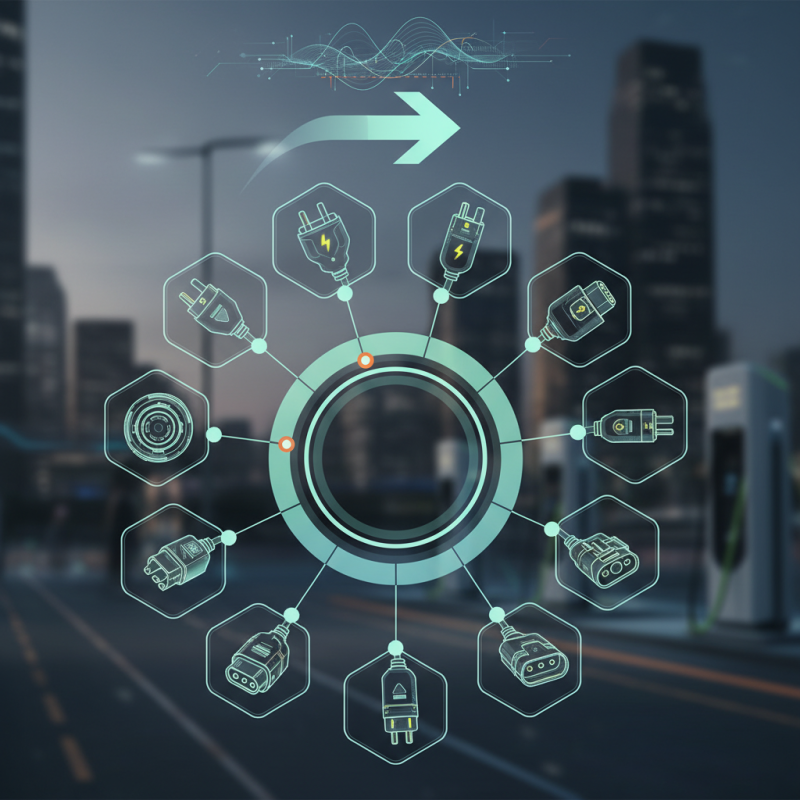
Top 10 DC Charging Connector Options for Electric Vehicles
When it comes to charging electric vehicles (EVs), selecting the right DC charging connector is crucial. The market offers various options, each with unique features. For example, the CCS (Combined Charging System) provides fast charging and is widely used across many regions. It supports both AC and DC charging, making it versatile for different charging stations.
Another notable option is the CHAdeMO connector, which is particularly popular in Japan. It allows for rapid charging, reducing downtime for EV users. While it may offer high speed, its compatibility is more limited compared to CCS. Users often face challenges in finding charging stations that support this type.
The Tesla connector is another significant player in the market. It boasts a sleek design and efficient charging capabilities. However, it is primarily designed for Tesla vehicles, which raises questions about accessibility for other brands. As the EV landscape evolves, it’s essential for users to consider not only speed but also compatibility. Evaluating these factors can lead to better choices, paving the way for a smoother charging experience.
Comparison of DC Charging Standards: CCS, CHAdeMO, and Tesla Supercharger
When it comes to electric vehicle (EV) charging, choosing the right DC connector is crucial. Three main standards dominate the market: CCS, CHAdeMO, and Tesla Supercharger. Each has unique features, benefits, and compatibility issues that may affect your charging experience. Understanding these differences can help EV owners make informed decisions.
CCS, or Combined Charging System, is increasingly popular among various EV manufacturers. It provides fast charging and combines AC and DC charging capabilities. However, not all stations support CCS. This limitation can make a long trip inconvenient.
CHAdeMO, developed in Japan, differs by offering two-way charging. This means it can not only charge your vehicle but also allow it to discharge energy back into the grid. While CHAdeMO is mostly found in Asia, its adoption is gradually expanding globally, creating a more versatile option.
Tesla Superchargers are exclusive to Tesla vehicles. They offer ultra-fast charging but are not compatible with other brands. EV owners may feel frustrated if they have to deviate from their preferred charging networks due to compatibility issues.
Tips: Always check charging station maps before trips. Research compatibility with your EV model. Familiarize yourself with local charging standards. These small preparations can save time and ensure a smoother journey. Balancing the need for speed and convenience requires careful consideration. Not every charging option fits every vehicle.
Top 10 DC Charging Connector Options for Electric Vehicles
| Connector Type | Max Power (kW) | Charging Speed (miles/min) | Compatibility | Standardization |
| CCS1 | 125 | 4 | Global | IEC 62196-3 |
| CCS2 | 350 | 10 | Global | IEC 62196-3 |
| CHAdeMO | 62.5 | 2 | Japan, Europe | CHAdeMO Association |
| Tesla Supercharger V2 | 150 | 5 | Tesla Vehicles | Proprietary |
| Tesla Supercharger V3 | 250 | 7 | Tesla Vehicles | Proprietary |
| GB/T | 250 | 7 | China | GB/T 20234 |
| IEC 62196 Type 2 | 43 | 2 | Europe | IEC 62196-2 |
| Nissan Quick Charger | 50 | 2.5 | Nissan, some others | CHAdeMO |
| Type 1 | 7.2 | 0.5 | North America | SAE J1772 |
| Type 2 | 22 | 1 | Europe | IEC 62196-2 |
Technical Specifications of Leading DC Charging Connectors
Electric vehicles (EVs) are gaining popularity. This growth highlights the need for efficient DC charging connectors. Various types of DC connectors exist, each with unique technical specifications. According to a recent industry report, fast-charging solutions can reduce charging time to as little as 30 minutes. This is crucial for drivers on the go.
Several standards dominate the market, including CCS (Combined Charging System) and CHAdeMO. With a charging rate of up to 350 kW, CCS is widely adopted in Europe and North America. Meanwhile, CHAdeMO supports a maximum of 62.5 kW. Even though both options are functional, the speed difference raises concerns about charging infrastructure. As of 2023, around 44% of EV chargers in the U.S. used CCS. Yet, the distribution varies significantly by region.
Safety features are integral to connector design. Overcurrent protection and grounding mechanisms help prevent dangerous situations during charging. However, inconsistent safety regulations exist globally, which may cause uncertainty. With rapid advancements in EV technology, the demand for standardized connectors is more pressing than ever. The industry must address these gaps to ensure reliable and safe charging for all users.
Top 10 DC Charging Connector Options for Electric Vehicles
This chart represents the power output (in kW) and the charging speed (in km/h) of the top DC charging connector options available for electric vehicles.
Global Adoption Rates of DC Charging Connectors in Electric Vehicles
The global adoption of direct current (DC) charging connectors has seen a significant rise in recent years. According to the International Energy Agency (IEA), the number of public charging stations has increased by 50% annually. This growth reflects an expanding electric vehicle (EV) market, where fast charging is critical for user convenience. Currently, over 25% of new electric vehicles are equipped with DC fast charging capabilities.
Regional differences in adoption rates are notable. In Europe, adoption is surging, with DC charging infrastructure reaching around 70,000 units in 2023. Yet, some areas still lack sufficient coverage. This raises concerns about accessibility for potential EV owners. Additionally, a report by the Global Charging Infrastructure Network highlighted that many DC chargers operate below optimal standards, affecting charging times and user experience.
The overall reliance on DC charging connectors is expected to increase. However, challenges remain. One issue is the lack of standardization across various markets. The need for a consistent charging experience is crucial for wider EV acceptance. Various connector types complicate user choices, leading to confusion. With ongoing investments in infrastructure, the future of DC charging connectors presents opportunities and hurdles alike.
Impact of Charging Speed on EV Usage and Adoption Rates
As electric vehicle (EV) usage continues to rise, charging speeds play a crucial role in adoption rates. A recent report from the International Energy Agency (IEA) highlights that around 76% of potential EV owners are concerned about charging times. Faster charging can ease these concerns and enhance the user experience significantly. With DC charging connectors, the potential for reducing charging time is immense. Many fast-charging stations can provide an 80% charge in under 30 minutes.
Research indicates that increasing charging speeds can boost EV adoption by up to 48%. For instance, studies show that consumers are more willing to invest in EVs if they can recharge within similar timeframes as conventional refueling. Speed can also mitigate range anxiety, one of the key obstacles facing potential buyers. There are various DC charging options available, each offering unique advantages in terms of speed and efficiency, impacting consumer preferences significantly.
Despite these improvements, the infrastructure still faces challenges. Additional investment is required to expand fast-charging networks. Current data suggests that only 30% of charging stations in major cities offer DC fast charging. Stakeholders must address this gap for broader EV adoption. Fast-charging technology continues to evolve, but the imbalance between infrastructure growth and vehicle sales is a pressing concern. Without strategic solutions, the full benefits of improved charging speeds may not be realized.
Conclusion
The article "Top 10 DC Charging Connector Options for Electric Vehicles" explores various types of DC Charging Connectors available in the market, highlighting their technical specifications and comparing major standards such as CCS, CHAdeMO, and Tesla Supercharger. It emphasizes the importance of these connectors in enhancing the efficiency of electric vehicle (EV) charging and their influence on global adoption rates, illustrating how charging speed can significantly impact EV usage and consumer acceptance.
Additionally, the article delves into emerging trends in DC charging technologies, providing insights into future predictions that could shape the industry. By understanding the landscape of DC Charging Connectors, stakeholders can better appreciate the developments that drive widespread EV adoption and contribute to sustainable transportation solutions.


