China Top 10 Fiberglass Cable Tray Manufacturers?
China’s fiberglass cable tray industry is gaining attention as factories, data centers, renewable-energy sites, and transport projects demand safer cable-management systems. Fiberglass-reinforced plastic, or FRP, resists corrosion, moisture, and many chemicals. It also reduces electrical conductivity risks in sensitive environments.
Market evidence supports this shift. MarketsandMarkets identifies infrastructure expansion, industrial automation, and data-center construction as major drivers of global cable-tray demand. Grand View Research also reports continued growth in the broader FRP composites market, supported by lightweight and corrosion-resistant materials. These reports do not rank Chinese suppliers directly. They do explain why fiberglass cable tray manufacturers deserve closer technical review.
This article presents ten leading Chinese manufacturers for international buyers to investigate. The selection considers production experience, resin systems, load capacity, fire performance, dimensional consistency, testing procedures, and export capability. Practical details matter. A tray may look smooth in a catalog but fail under ultraviolet exposure, heavy covers, or repeated temperature changes. Ask for test reports, material specifications, installation guidance, and project references.
Standards matter too. Buyers should compare products with relevant IEC, NEMA, ASTM, or project-specific requirements. Certification alone is not enough.
No ranking is perfect.
Some manufacturers publish limited technical data. Others offer strong customization but weaker documentation. That gap deserves attention. The companies discussed here should therefore be treated as candidates for due diligence, not automatic endorsements. A careful buyer will verify samples, factory quality controls, warranty terms, delivery history, and after-sales support before placing a large order.
What Are Fiberglass Cable Trays and How Are They Used?
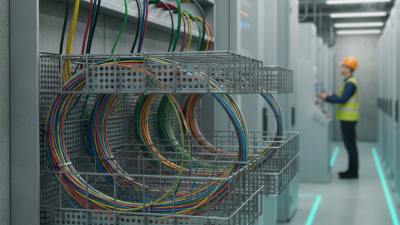
Fiberglass cable trays are structural pathways made from glass fibers embedded in a resin matrix. They support power, control, and communication cables above floors, tunnels, and process areas. Unlike steel, fiberglass does not rust, and it offers strong resistance to moisture, salt spray, and many chemicals. This matters in coastal plants, wastewater facilities, and chemical processing sites.
NACE’s IMPACT study estimated global corrosion costs at about US$2.5 trillion annually, or 3.4% of global GDP. Fiberglass can reduce corrosion-related replacement work, but it is not maintenance-free. UV exposure, poor cutting, and incorrect support spacing still cause failures.
IEC 61537 provides useful guidance for cable tray systems, including load, electrical continuity, and mechanical testing. Buyers comparing China’s leading manufacturers should request test reports, resin specifications, flame-spread data, and documented load ratings. Do not trust appearance alone.
In practice, installers place trays on brackets at engineered intervals, then separate power and signal cables when required. A 300-millimeter tray may suit a small control run, while wider systems handle dense industrial cabling. The selected tray should leave room for future circuits. That detail is often missed. Final decisions should consider temperature, cable weight, bending space, and local installation rules. Data sheets help, but site conditions decide whether a tray performs well.
How to Evaluate Fiberglass Cable Tray Manufacturers in China
Choosing among China’s fiberglass cable tray manufacturers requires more than comparing catalog prices. Examine how each factory controls raw materials, molding, curing, and final inspection. Ask for resin type, glass-fiber content, tray dimensions, load ratings, and fire-performance data. A reliable manufacturer should provide batch records and test reports from recognized laboratories. Documents matter, but physical evidence matters more.
Visit the production site when possible, or request a live video inspection. Look for clean molds, organized storage, calibrated testing equipment, and workers who understand dimensional tolerances. Request samples with different widths and support spans. Check for rough edges, warping, uneven surfaces, and weak joints. A polished catalog can mislead. I have seen attractive samples fail when loaded near the stated limit. That weakness deserves honest discussion.
Tips:
Compare the same specifications, not only the lowest quote. Confirm packing methods, replacement procedures, lead times, and warranty terms in writing. Ask how the manufacturer handles design changes. Review export experience for similar climates, especially humid or coastal sites. Supplier communication is also evidence. Slow, vague replies may signal poor project control. Still, no audit is perfect. Keep a small trial order before approving large-volume production.
China’s Top 10 Fiberglass Cable Tray Manufacturers
China’s Top 10 Fiberglass Cable Tray Manufacturers are best assessed through evidence, not advertising claims. Their strengths include corrosion-resistant resin systems, molded precision, and documented load performance. Buyers should request test reports aligned with IEC 61537 or NEMA VE 1. Factory audits also matter. They reveal curing controls, fiber distribution, and drilling quality that catalogs often hide.
According to MarketsandMarkets, the global cable tray market is projected to grow from about USD 7.6 billion in 2023 to USD 11 billion by 2028. This growth reflects expanding data centers, renewable-energy projects, and industrial upgrades. Fiberglass trays suit coastal plants and chemical areas because they resist moisture and many corrosive agents. However, resin selection still requires careful review. Not every fiberglass system performs equally under heat, ultraviolet exposure, or concentrated loads.
A practical top-ten evaluation should compare verified load ratings, span data, fire behavior, delivery consistency, and after-sales support. Manufacturing experience is visible in clean edges, stable dimensions, and uniform surface finish. Some suppliers provide impressive numbers without explaining test conditions. That deserves caution. Public information is also uneven, so any ranking remains imperfect. Technical teams should inspect samples, review batch records, and confirm installation conditions before approval. Cost alone can mislead; a cheaper tray may demand more supports, repairs, or replacements over its service life.
Key Products, Materials, and Manufacturing Capabilities
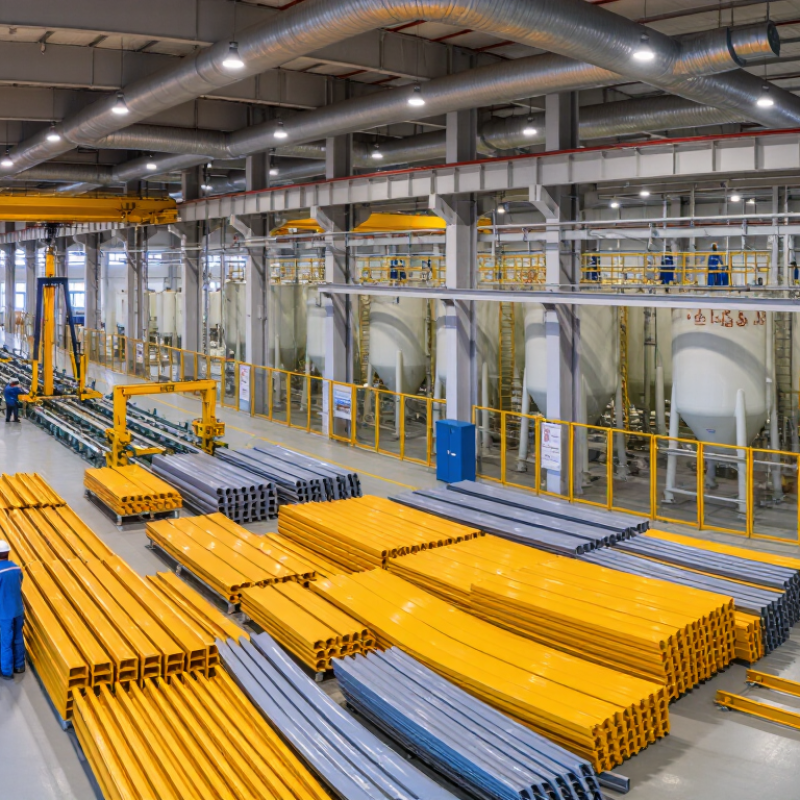
China’s top 10 fiberglass cable tray manufacturers should be assessed through products, materials, and factory capability. Fiberglass reinforced polymer trays commonly use E-glass fibers with polyester, vinyl ester, or epoxy resin. Each resin changes chemical resistance, cost, and temperature performance. Pultruded trays provide straight, consistent sections, while molded trays support complex fittings and heavy industrial layouts.
The Global Cable Tray Market report by MarketsandMarkets projects steady market growth through 2029, driven by data centers, power infrastructure, and industrial construction. This demand raises quality expectations. Reliable manufacturers should provide load testing, resin records, dimensional checks, and production traceability.
Their factories may use continuous pultrusion lines, automated cutting, CNC drilling, and controlled curing rooms. Compliance with IEC 61537 or NEMA FG 1 also deserves attention. A certificate alone is not enough. Test conditions matter.
Tips: Ask for a sample cross-section, not only a catalogue photo. Check glass-fiber content, wall thickness, UV protection, flame performance, and temperature ratings. Request test reports from independent laboratories where possible. Grand View Research identifies corrosion resistance and lower maintenance as important fiberglass cable tray advantages, but installation details still affect service life.
Poor support spacing can cause sagging. This is an easy mistake. Buyers should compare full project cost, including fittings, supports, transport, and replacement risk. The cheapest quotation may conceal thinner walls or weaker resin. That point deserves reflection.
How to Select the Right Chinese Manufacturer for Your Project
Choosing among China’s top 10 fiberglass cable tray manufacturers requires more than comparing catalog prices. Start with your project conditions: cable weight, span length, ambient temperature, chemical exposure, UV exposure, and required fire performance. A reliable manufacturer should calculate load capacity and recommend suitable resin, reinforcement, and tray thickness. Ask for test reports, dimensional tolerances, and production records. Clear evidence matters more than polished brochures.
Request physical samples before placing a large order. Check the surface for pinholes, uneven edges, cracks, and weak drilling points. Measure the tray width and thickness with simple tools. Confirm whether covers, connectors, supports, and fasteners fit accurately. I have seen attractive samples fail during installation because accessories were poorly matched. That mistake is expensive and avoidable.
Factory verification adds another layer of confidence. Review equipment, mold control, raw material storage, quality checkpoints, and packing methods through a live video audit or independent inspection. Ask for similar project references, realistic lead times, warranty terms, and a written response process for defects. Communication deserves attention too. If technical questions receive vague answers, production may become difficult. Price is only one factor. A slightly higher quotation may reduce cutting, replacement, and installation delays. Still, do not assume every certificate proves practical quality; verify its scope, date, and issuing body. Drawings, approved samples, and inspection criteria should be agreed before production begins.