Essential Tips for Choosing Miniature Circuit Breakers?
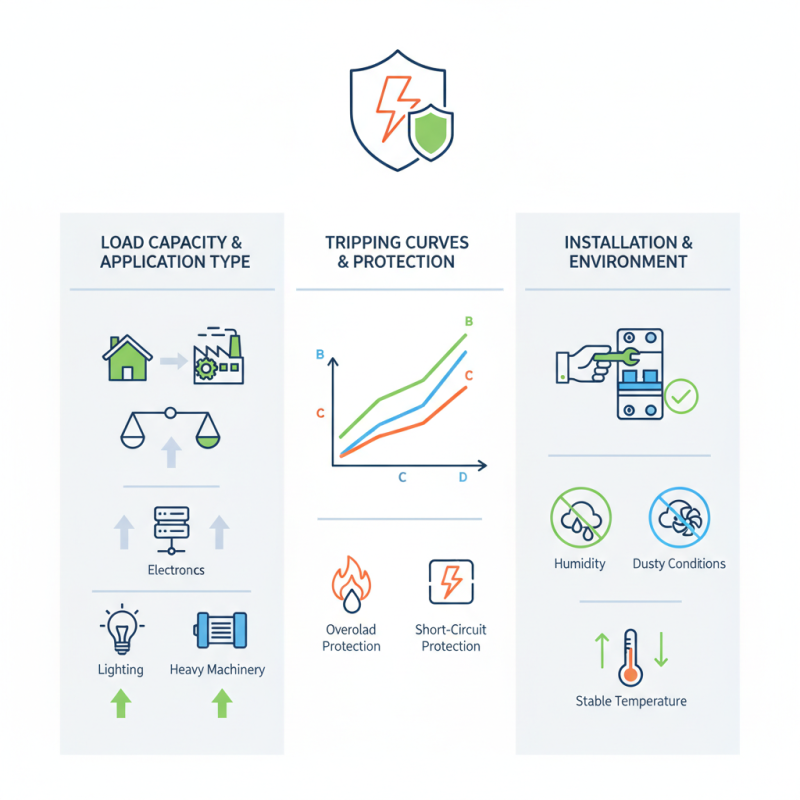
Choosing the right Miniature Circuit Breaker (MCB) is crucial for electrical safety and performance. According to recent industry reports, approximately 30% of electrical fires are linked to fault circuits. MCBs play a vital role in preventing such incidents. They automatically switch off circuits in case of overloads, protecting both equipment and lives.
When selecting an MCB, consider the load capacity and the type of applications. The global MCB market is projected to grow at a CAGR of 6.1% from 2022 to 2030. This growth signifies a rising awareness of electrical safety standards. However, many users still overlook essential parameters like tripping curves, leading to inadequate protection.
Be mindful of installation quality. Poorly installed MCBs can cause system failures. Inspecting the operating environment is also important. Dusty or humid conditions can lead to malfunction. Therefore, while MCBs are designed for safety, they require careful selection and installation to ensure reliability. Understanding these aspects is key to making better choices in circuit protection.
Factors Affecting the Selection of Miniature Circuit Breakers (MCBs)
When selecting miniature circuit breakers (MCBs), several key factors come into play. Understanding your specific application is essential. The voltage and current ratings must match your electrical system to ensure safety and efficiency. An MCB that is rated too low may trip frequently, while a rating that is too high could lead to dangerous overloads. It's a delicate balance.
Another important consideration is the type of load. Resistive loads, like heaters, differ from inductive loads, such as motors. Choosing the wrong type can lead to poor performance or even equipment damage. Pay attention to the characteristics of your electrical circuits. A detailed examination will reveal the ideal MCB for your needs.
Installation environments also play a role. If the MCB will be exposed to dust or moisture, you might need a reinforced design. The surroundings influence how components perform over time. Sometimes, we overlook these aspects during selection, only to face issues later on. Your awareness of installation conditions can prevent future headaches.
Essential Tips for Choosing Miniature Circuit Breakers
This bar chart illustrates key parameters to consider when selecting miniature circuit breakers (MCBs) including current rating, tripping curve, number of poles, breaking capacity, and voltage rating. Understanding these factors is essential for ensuring proper functionality and safety in electrical installations.
Understanding the Ratings and Specifications of MCBs
When selecting miniature circuit breakers (MCBs), understanding their ratings and specifications is crucial. Each MCB has a specific current rating, typically between 6 A to 63 A. This rating indicates the maximum load the MCB can handle without tripping. Always choose an MCB that fits your system’s load requirements.
Consider the breaking capacity as well. This represents the maximum fault current the MCB can interrupt safely. If the breaking capacity is too low, the MCB may fail to protect your circuits during a fault. It's wise to verify the fault levels in your area before selecting.
Tips: Check the installation guidelines. Room temperature affects MCB performance. Make sure the environment is suitable. Always consult a professional if you're unsure about the ratings. Mistakes in selection can lead to safety hazards. Understanding the specifications will ultimately save you from costly errors and ensure reliable operation.
The Role of Breaker Tripping Characteristics in MCB Selection
When selecting a miniature circuit breaker (MCB), understanding the breaker tripping characteristics is crucial. These characteristics determine how quickly and at what current level a breaker will trip. Common types include B, C, and D curves. For instance, B curve breakers trip between 3 to 5 times the rated current. This is ideal for residential applications with moderate inrush currents. In contrast, C curve breakers, tripping at 5 to 10 times, suit commercial settings where equipment generates high starting currents, such as motors.
Data from industry reports indicate that improper MCB selection can lead to system failures. Approximately 30% of electrical faults are related to inadequate protection settings. Additionally, the choice of tripping characteristics impacts not just safety, but also equipment longevity. Too sensitive a breaker may trip unnecessarily, causing downtime and frustration. Conversely, a breaker that is too tolerant might not protect equipment during overload conditions.
In real-world applications, end users often overlook these critical factors. Instead, many focus solely on current ratings. However, considering tripping characteristics can lead to significant cost savings over time. This is particularly evident in sectors with high operational demands where equipment is crucial. In summary, prioritizing these characteristics is essential for ensuring reliability and performance.
Importance of MCB Compatibility with Electrical Systems
When selecting miniature circuit breakers (MCBs), compatibility with your electrical systems is crucial. An MCB must match the specifications of your existing setup. This ensures the safety and efficiency of your electrical system. An incompatible MCB could lead to frequent tripping or, worse, catastrophic failures. Always check the voltage and current ratings before making a choice.
Moreover, consider the load type in your system. Different loads require different MCB characteristics. For example, inductive loads found in motors behave differently than resistive loads like heaters. This factor can impact how well an MCB performs. A mismatch often reveals itself in operational issues, leading to frustrating interruptions.
Compatibility also extends to installation practices. Improper installation can compromise even the best MCBs. Ensure all connections are secure, and conduct regular inspections. Reflections on past mistakes can lead to better choices in the future. It's about creating a reliable electrical environment, which is essential for safety and functionality. Consider these details carefully.
Evaluating Manufacturer Standards and Certifications for MCBs
When evaluating miniature circuit breakers (MCBs), manufacturer standards and certifications play a vital role. Choosing MCBs that adhere to recognized industry standards ensures their reliability and safety. Look for certifications such as IEC, UL, or CE. These symbols indicate that the product has undergone rigorous testing.
In addition, not all certifications are equal. Some manufacturers may use outdated standards or skip testing altogether. It’s essential to verify the authenticity of the certifications. Ask for documentation. A trustworthy manufacturer will gladly provide evidence of compliance.
Consider the manufacturer’s reputation too. New companies might offer lower prices but can lack quality. An experienced manufacturer understands the market’s demands better. Check customer reviews; they often reveal important insights. Always weigh quality over cost. It is worth investing in MCBs that you can trust.


