10 Pulsed Laser Cleaning Tips for Global Buyers
Global buyers need more than a polished machine brochure when evaluating Pulsed Laser Cleaning. They need evidence from real surfaces, real production conditions, and measurable results. A rusty steel bracket, an oily aluminum mold, and a painted aerospace panel may require completely different pulse settings. One recipe rarely fits all.
Dr. Reinhart Poprawe, a respected laser-processing expert, once described the technology this way: “The laser is a tool that enables us to do things that were not possible before.” That principle explains the growing interest in Pulsed Laser Cleaning. Short laser pulses can remove rust, oxides, paint, carbon, and other contaminants while reducing contact with the base material. However, “non-contact” does not mean risk-free. Excessive energy can discolor metal, alter texture, or damage sensitive coatings.
This guide examines ten practical tips for international buyers. It considers pulse energy, wavelength, scanning speed, beam quality, fume extraction, operator training, sample testing, maintenance, documentation, and supplier support. These details matter. A compact system may look attractive, yet its cooling design may fail during long production shifts. A powerful source may clean quickly, but it can be poorly matched to thin sheet metal.
Good purchasing decisions require proof. Ask for before-and-after samples, process data, and repeatability results. Confirm service coverage in your region. Check safety documentation carefully. Some recommendations may not suit every factory, and that is the uncomfortable part. Surface conditions change. Operators make mistakes. Buyers should test before committing. Pulsed Laser Cleaning works best when technical claims meet controlled, visible results.
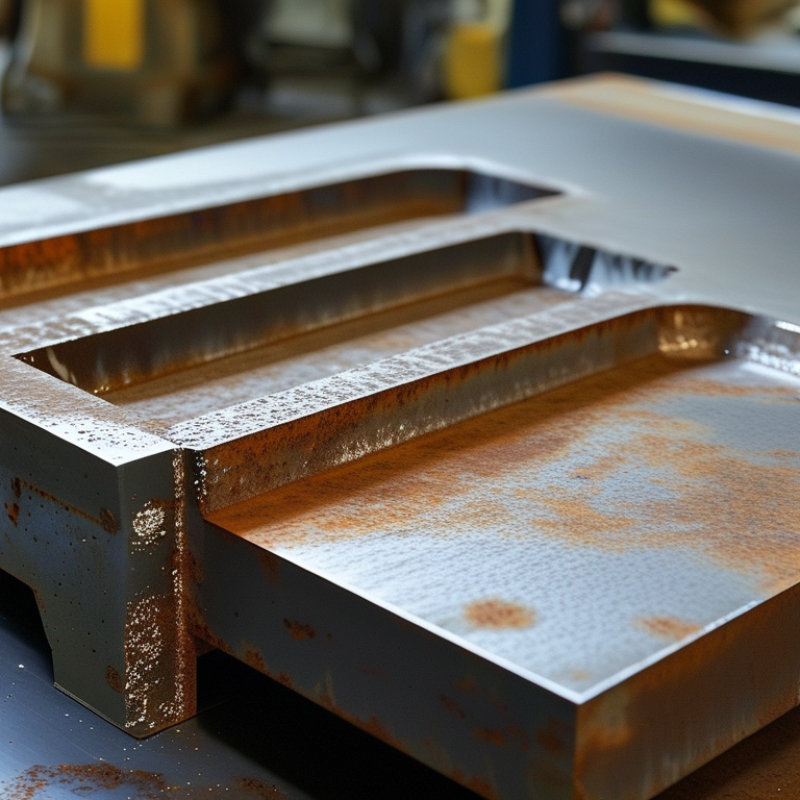
What Pulsed Laser Cleaning Is and Where It Is Used
Pulsed laser cleaning uses short, high-energy light pulses to remove rust, paint, oxide layers, oil, and other deposits from a surface. The pulse disrupts the unwanted layer while limiting heat transfer into the base material. It is not magic. Results depend on wavelength, pulse energy, repetition rate, spot size, and scanning speed.
Global buyers commonly use this process for metal parts, welding preparation, mold maintenance, stone restoration, and industrial equipment repair. It can clean narrow grooves, curved edges, and delicate surfaces with less contact than abrasive methods. Before purchasing, confirm the material type, contamination thickness, required cleaning speed, and available workspace. A small test area should be examined under magnification. Clean-looking is not always clean enough.
Safety and process control matter. Operators need suitable eye protection, enclosure measures, ventilation, and training for the selected material. Ask suppliers for test data, operating ranges, maintenance requirements, and documented safety guidance. A reliable system should offer stable pulse control and clear parameter adjustment. Do not judge performance from one demonstration. Different alloys may react differently, even when they look similar. I would also compare the cleaned surface after several hours or production cycles. This step is often missed, yet it reveals residue, discoloration, or adhesion problems that a quick inspection can hide.
How to Select Laser Parameters and Equipment Specifications
10 Pulsed Laser Cleaning Tips for Global Buyers
How to Select Laser Parameters and Equipment Specifications
Selecting a pulsed laser cleaner starts with the contaminant, substrate, and required finish. Do not choose power alone. Pulse energy, duration, repetition rate, wavelength, spot size, and scan speed must work together. For thin oxide on stainless steel, begin with low fluence and short pulses. Watch the surface through a calibrated camera, not only by eye. Dark paint may absorb energy quickly, while polished aluminum can reflect it unpredictably. That difference affects safety and cleaning quality.
MarketsandMarkets’ 2023 industry report estimated the global laser cleaning market at about USD 0.6 billion and projected strong double-digit growth through 2028. This expansion increases equipment choices, but specifications can become confusing. Ask suppliers for measured pulse energy, beam quality, focal tolerance, and cooling performance. Request test coupons using your actual material. A useful trial records cleaning speed, surface roughness, temperature, and residue levels. ISO 11553-1 also emphasizes engineering controls for laser processing equipment. Enclosure design and interlocks deserve the same attention as optical output.
Keep the process adjustable.
In practical trials, operators often increase power when cleaning feels slow. That is not always correct. Raising repetition rate may increase heat accumulation and discoloration. Increasing scan speed can reduce damage, but it may leave embedded residue. I still prefer a small parameter matrix over one dramatic setting. Test three fluence levels and several scan speeds. Leave room for doubt. A supplier’s sample result may not represent your production line, especially when humidity, coating thickness, or operator distance changes. Choose equipment with recorded data, stable calibration, local service access, and clear training documents.
How to Verify Supplier Quality, Compliance, and Global Support
10 Pulsed Laser Cleaning Tips for Global Buyers
How to Verify Supplier Quality, Compliance, and Global Support
Buying a pulsed laser cleaning system requires more than comparing power ratings. Ask the supplier for a live cleaning demonstration using your actual material, coating, and surface condition. Watch the operator adjust pulse width, frequency, and scanning speed. Small settings can change results dramatically. Request before-and-after photos with measurement data, not only attractive videos. Test the evidence.
Check whether the supplier provides serial-number traceability, factory inspection records, calibration certificates, and documented quality procedures. Review the laser source, scanner, cooling system, extraction unit, and protective enclosure separately. A polished website is not proof. I have seen impressive samples produced under conditions that customers could not reproduce. Require a written test report with sample thickness, treatment time, surface temperature, and residue observations.
Compliance must match the destination market. Confirm electrical safety documents, laser classification, emergency-stop design, user manuals, and required conformity markings. Ask who handles customs documents, installation training, spare parts, and remote troubleshooting. Support should include response times and qualified technicians in your working hours. Request customer references from similar industries and regions. Visit the production site if possible. Supplier answers may remain incomplete, and that matters. Verify certificates with issuing bodies and ask local safety professionals about workplace requirements. A clear warranty, acceptance test, and payment schedule can protect both sides when performance differs from the quotation.
10 Pulsed Laser Cleaning Tips for Global Buyers
How to Verify Supplier Quality, Compliance, and Global Support
This 100-point buyer screening model prioritizes the evidence most relevant to pulsed laser cleaning purchases: process validation, laser safety, quality systems, documentation, service capability, training, and export readiness.
The weighting is a practical procurement framework rather than a market survey. Buyers should verify applicable requirements, including ISO 9001 quality controls, IEC 60825-1 laser safety practices, local electrical regulations, and destination-country import rules.
How to Compare Costs, Safety Measures, and After-Sales Service
10 Pulsed Laser Cleaning Tips for Global Buyers
How to Compare Costs, Safety Measures, and After-Sales Service
A low purchase price can hide major operating costs. Compare pulse energy, scan width, power use, spare optics, and required consumables. Ask for a written estimate covering installation, operator training, shipping, taxes, and maintenance. Request a sample cleaning test using your actual material and coating. A polished demonstration can mislead. Measure cleaning speed, surface temperature, residue, and finish quality. Record the results. Then compare them with your production target.
Safety deserves more than a checklist. Confirm enclosure design, emergency stops, door interlocks, warning lights, and controlled access. Check whether the exhaust system captures dust and fumes from your specific substrate. Operators may also need laser-rated eyewear, hearing protection, and documented training. Ask for risk assessments that match your country and workplace. Requirements differ. After-sales support is equally practical. Check response times, remote diagnostics, spare-part availability, warranty exclusions, and technician travel fees. Ask who repairs the source and how calibration is verified. I once trusted a broad warranty statement and missed a costly service condition. That mistake changed my buying process. Get every promise in writing, including software updates and training refreshers. A reliable supplier welcomes difficult questions.


