Blog
What Are Pool Accessories and Which Ones Do You Need?
A swimming pool can look complete with water, coping, and a working pump. Yet daily comfort depends on the smaller details around it. Pool Accessories include cleaning tools, covers, ladders, lighting, heaters, storage solutions, and safety equipment. Each item solves a different problem. Some protect swimmers. Others protect the pool itself.
Rudy Stankowitz, a pool-industry educator and water-treatment expert, has said, “The pool is a system, not a single product.” That principle matters when choosing accessories. A telescopic pole may reach a deep corner, but it cannot replace balanced water chemistry. A pool cover can reduce debris and evaporation, but an unsuitable cover may create handling problems. Small choices become practical concerns.
This guide examines which Pool Accessories deserve attention and which ones may be unnecessary for your setting. It considers pool size, construction, climate, usage, maintenance habits, and household needs. A family pool may require secure access equipment and visible depth markers. A compact backyard pool may benefit more from a reliable test kit and a simple vacuum. Commercial facilities need stricter routines and more durable equipment.
Experience also teaches an uncomfortable lesson. The most expensive accessory is not always the best one. Some products look useful until they remain untouched in a storage box. Others fail because owners overlook compatibility, installation, or maintenance. We will question those assumptions carefully. The goal is not a crowded pool area. It is a safer, cleaner, and more manageable swimming environment.
What Pool Accessories Are and How They Improve Pool Use
What Are Pool Accessories and Which Ones Do You Need?
Essential Pool Accessories for Safety, Cleaning, and Maintenance
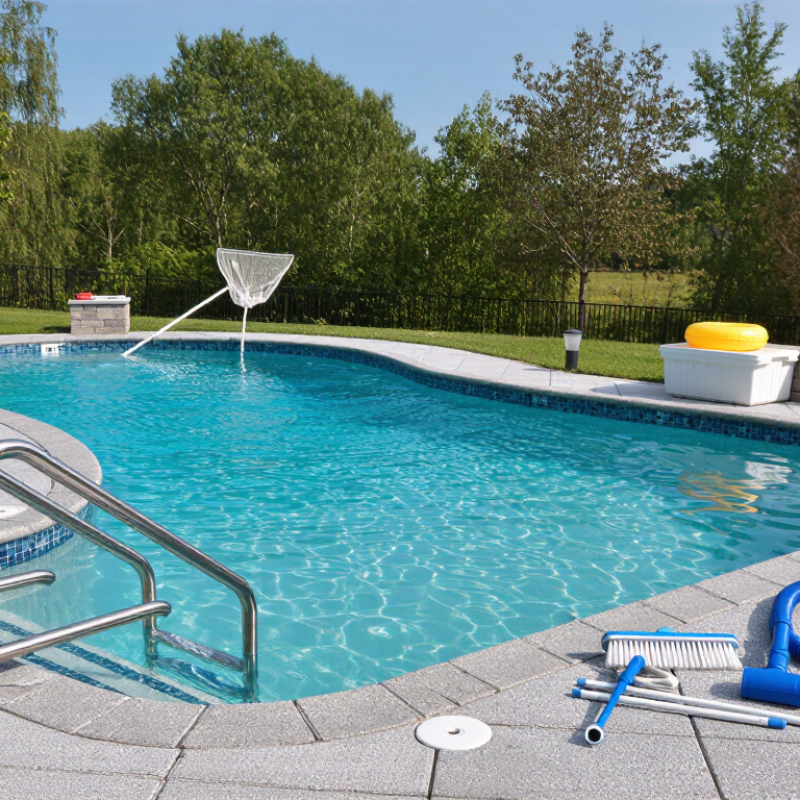
A pool needs more than water and a filter. The right accessories protect swimmers, surfaces, and equipment. A secure cover reduces debris and helps prevent unsupervised access. Use a properly fitted barrier around the pool, especially where children visit. Keep a reaching pole, approved flotation devices, and a first-aid kit nearby. Flotation toys are not lifesaving equipment. That distinction matters.
A skimmer net removes leaves before they sink and stain the surface. A telescopic pole lets you clean corners without leaning over the water. Brush the walls and floor regularly, then use a pool vacuum for settled dirt. Test strips can check sanitizer, pH, and alkalinity during routine inspections. Record the results, even when they seem normal. I once ignored slightly cloudy water, assuming the filter would correct it. It did not.
A pump timer, pressure gauge, and spare filter basket make maintenance more manageable. Clean the basket before debris restricts water flow. Inspect ladders, handrails, and drain covers for looseness or visible damage each week. Store cleaning chemicals in their original containers, away from heat, children, and incompatible substances. Never mix chemicals. Follow label directions and local safety guidance. Professional water testing is useful when readings remain unstable or irritation continues. Small checks often prevent expensive repairs, although even a careful routine can miss a developing problem.
Comfort and Convenience Accessories for Everyday Swimming
What Are Pool Accessories and Which Ones Do You Need?
Comfort and Convenience Accessories for Everyday Swimming
Pool accessories are not only decorative extras. The right items make daily swimming safer, cleaner, and less tiring. In my experience, a floating storage tray keeps drinks and towels within reach during relaxed sessions. A non-slip poolside mat also helps reduce wet footprints and uncomfortable slips near the water. Small changes matter.
Comfort often begins with better support. Adjustable swimming goggles can reduce eye irritation and improve visibility underwater. A soft, well-fitting swim cap keeps hair controlled and helps swimmers feel less distracted. For children or less confident swimmers, properly sized flotation equipment can provide support, but it should never replace close supervision. A waterproof timer is useful for tracking intervals without checking a phone.
Tips: Choose accessories based on how you actually swim. Measure goggles before buying them. Rinse equipment with fresh water after every use. Store wet items in a ventilated bag, not a sealed corner. I learned this the hard way after a damp towel developed an unpleasant smell. It was avoidable. Also, inspect straps, foam, and suction seals regularly. Even quality equipment can weaken with frequent sunlight and chlorine exposure. A simple maintenance routine usually improves comfort more than buying many unnecessary items.
Optional Pool Accessories for Fun, Exercise, and Customization
Optional pool accessories can turn a basic pool into a flexible space for play, exercise, and relaxation. Floating loungers, waterproof speakers, pool games, and adjustable lighting create different moods without permanent construction. Keep it simple.
The 2024 SFIA Topline Participation Report recorded more than 28 million U.S. swimming participants in 2023. That figure supports demand for practical exercise accessories, such as resistance bands, swim benches, lap lanes, and water dumbbells. These tools can add training variety, but they do not replace professional instruction. A resistance tool that feels light on land may become awkward in moving water.
Customization also depends on the pool’s depth, surface, storage space, and user age. A removable volleyball net suits an active family, while wide-entry steps and handrails improve everyday access. CPSC safety data reported about 379 annual fatal drownings among children under 15 in recent reporting years. Safety covers, alarms, clear depth markers, and reachable rescue equipment deserve priority, even when the goal is fun.
I have seen owners buy attractive accessories that remain unused after one season. That mistake is easy to repeat. Choose items that match actual habits, inspect them regularly, and remove damaged pieces quickly. Pool lighting should be rated for wet environments, while electrical equipment requires proper installation by a qualified professional. Some accessories look harmless but create clutter, blocked sightlines, or unexpected trip risks.
How to Choose the Right Accessories for Your Pool and Budget
What Are Pool Accessories and Which Ones Do You Need?
Pool accessories should solve real problems, not fill a storage box. Start with safety, water care, and daily maintenance. A fitted cover, reaching pole, skimmer net, and clear depth markers are practical choices. The U.S. Consumer Product Safety Commission reported an average of 358 fatal child drownings in pools and spas each year. That figure makes a properly maintained barrier and reliable rescue equipment worth prioritizing.
Budget choices should reflect pool size, use, and local climate. A small residential pool may need a manual vacuum, test strips, a thermometer, and a covered storage container. Larger pools can justify an automatic cleaner or a stronger filtration aid. The U.S. Department of Energy notes that ENERGY STAR certified pool pumps can use up to 65% less energy than standard models. Energy savings may matter more than a decorative float.
Buy replacements before failures become expensive. Keep spare test reagents, seals, and filter media nearby. Saltwater systems still require testing; they do not remove maintenance. I would not choose the cheapest cover without checking its fit, load rating, and warranty terms. That shortcut can become false economy. The CDC’s Model Aquatic Health Code also emphasizes consistent water testing and circulation. My own preference is simple: purchase one accessory, observe its value for a month, then expand carefully.
Article Source:
Exclusive Access
Unlimited Resources
Detailed information on our products to assist you with the planning of your cable management project
Register Now