Main menu Open search

Blog

What Is an Oil Storage Fuel Drum and How Does It Work?

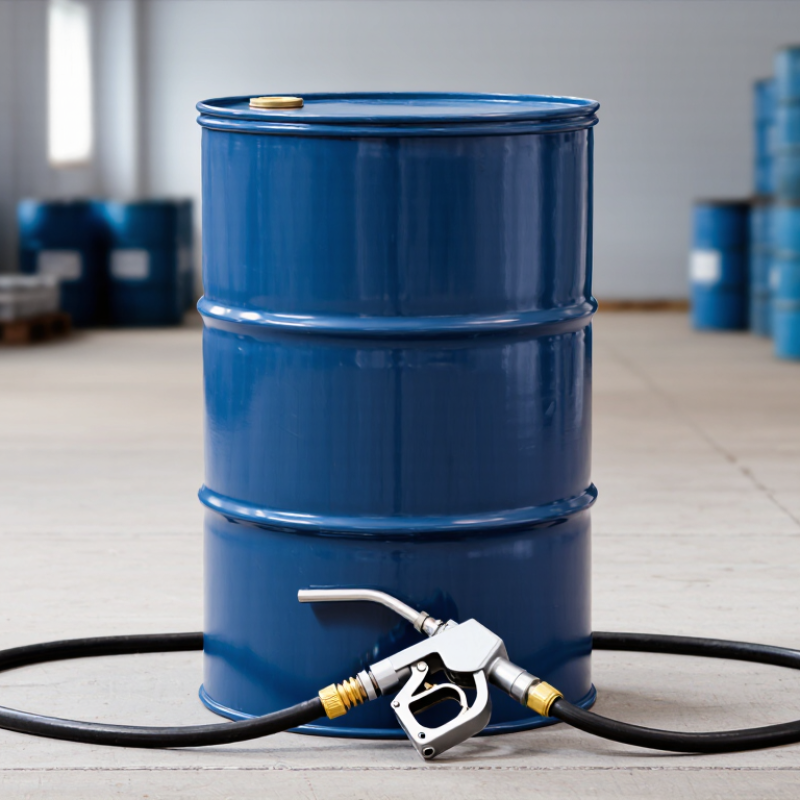
An Oil Storage Fuel Drum is a practical container designed to hold petroleum-based fuel safely during storage and transfer. Its steel or heavy-duty plastic body resists impact, pressure changes, and many common environmental conditions. A typical drum includes a sealed opening, a threaded cap, and sometimes a vent or dispensing fitting. These small parts matter more than they appear.

Inside, the drum keeps fuel isolated from moisture, dirt, and unnecessary air exposure. During transfer, a compatible pump or approved dispensing system draws fuel through a controlled outlet. The vent allows air to replace the removed liquid, helping prevent vacuum formation. Without proper venting, flow may slow or stop. The drum must also remain stable, upright, and protected from heat, flames, and physical damage.

Good storage depends on more than the container itself. Fuel compatibility, inspection routines, grounding practices, labeling, and local safety requirements all influence performance. Industry guidance and manufacturer instructions should guide every installation. Real-world experience also shows that a drum can look sound while its gasket is already aging. That detail is easy to miss.

No container is risk-free.

This article explains how an Oil Storage Fuel Drum works, what its main components do, and which maintenance habits support dependable use. It also considers practical limitations, because storage equipment is often judged only after something goes wrong. A careful inspection, even a brief one, can reveal corrosion, leaks, loose fittings, or damaged seals before they become serious problems.
What Is an Oil Storage Fuel Drum and How Does It Work?

Definition and Purpose of an Oil Storage Fuel Drum

What Is an Oil Storage Fuel Drum and How Does It Work?

Definition and Purpose of an Oil Storage Fuel Drum

An oil storage fuel drum is a sealed steel or compatible plastic container designed to hold petroleum-based liquids. A common drum holds about 55 U.S. gallons, or 208 liters. Its purpose is simple: protect fuel from contamination, leakage, moisture, and unnecessary evaporation during storage or handling.

The drum usually has a reinforced body, a removable lid, threaded openings, and sealing gaskets. These parts help maintain containment when the drum stands upright or moves across a worksite. However, a drum is not automatically safe. Its material, closure condition, and storage environment must match the fuel type. Small mistakes can become expensive.

The International Energy Agency’s Oil 2024 report records global oil demand at approximately 102.2 million barrels per day in 2023. This scale shows why reliable intermediate storage remains important across transport, maintenance, agriculture, and emergency supply planning. A drum does not produce fuel or improve its quality. It only provides controlled containment.

In practical use, trained personnel inspect the drum for dents, corrosion, damaged seals, and unclear labeling. They keep it stable, away from ignition sources, and protected from extreme heat. Guidance from the U.S. Occupational Safety and Health Administration emphasizes suitable containers, controlled storage, and spill prevention for flammable liquids. Still, inspection routines are sometimes treated as paperwork. That assumption deserves reconsideration. A clean-looking drum may hide internal corrosion or a weakened gasket.

Key Components and Materials Used in Fuel Drums

An oil storage fuel drum is a sealed container designed to hold liquid fuel during storage or transport. Its performance depends on more than wall thickness. The drum body, closures, seals, vents, and protective coating must work together. Small design choices matter.

Most drums use carbon steel because it resists impact and handles demanding storage conditions. Steel walls may receive an internal coating that reduces corrosion from moisture or fuel additives. Some applications use high-density polyethylene, which is lightweight and corrosion-resistant. However, plastic compatibility must be checked for each fuel type. Not every polymer performs safely with every liquid.

The top usually includes threaded bung openings for filling, dispensing, and inspection. A tight gasket helps prevent leakage, while a controlled vent reduces pressure changes during temperature shifts. The bottom seam and chime need careful forming because weak joints can fail under repeated handling. External paint or plating can protect steel from humidity, road salt, and scratches. Grounding features may also reduce static risks when conductive liquids are transferred.

In practical inspections, I look for dents near closures, brittle gaskets, rust around seams, and damaged threads. A clean appearance is not proof of reliability. Hidden corrosion can develop beneath coatings. Reusing a drum without checking its previous contents is also a poor practice. The correct material, closure condition, and storage environment must be verified before filling. Labels should remain readable. Ventilation still matters.

What Is an Oil Storage Fuel Drum and How Does It Work? - Key Components and Materials Used in Fuel Drums
Component or Dimension Typical Specification or Material Primary Function Common Fuel Drum Considerations Maintenance or Safety Notes
Drum Body Carbon steel, stainless steel, or high-density polyethylene (HDPE) Provides the main container for storing and transporting liquid fuel or oil. Carbon steel offers strength; stainless steel provides higher corrosion resistance; HDPE is lightweight and resistant to many chemicals. Inspect regularly for dents, cracks, corrosion, swelling, or chemical degradation.
Common Capacity Approximately 20 to 220 litres, depending on the application and local regulations Determines the volume of fuel that can be stored in one container. A nominal 200-litre drum is commonly used for industrial liquid storage, while smaller drums are easier to handle manually. Never exceed the marked working capacity; allow expansion space when storing temperature-sensitive liquids.
Top Closure Removable cover or tight-head top with threaded openings Seals the drum and allows filling, dispensing, inspection, or cleaning. Open-head designs suit solid or viscous materials; tight-head designs are generally used for liquids. Keep closures clean and fully tightened to reduce leakage and contamination.
Bung or Filler Cap Steel, stainless steel, aluminum, or engineered plastic with a threaded design Provides a controlled opening for filling and dispensing fuel. Cap size and thread type must match the drum and any pump, hose, or adapter. Check the gasket and threads for damage before use; replace worn sealing components.
Gasket or Seal Nitrile rubber, fluorocarbon elastomer, EPDM, or other fuel-compatible elastomers Creates a leak-resistant seal between the cap, bung, and drum opening. Material compatibility depends on the fuel composition, temperature, and exposure time. Replace seals that are hardened, cracked, swollen, flattened, or chemically damaged.
Internal Lining Epoxy, phenolic coating, polymer lining, or no lining for compatible contents Separates the stored fuel from the drum wall and helps reduce corrosion or contamination. Some fuels and additives may require a lining specifically rated for chemical compatibility. Do not use a drum if the lining is blistered, peeling, flaking, or visibly contaminated.
Exterior Coating Paint, powder coating, galvanized finish, or corrosion-resistant treatment Protects the outer surface from moisture, oxidation, abrasion, and handling damage. Coating selection depends on indoor or outdoor storage conditions and exposure to salt or chemicals. Touch up damaged areas only with a compatible coating after cleaning and drying the surface.
Bottom Chime Formed steel or reinforced polymer edge around the drum base Strengthens the bottom rim and helps protect the body during movement and stacking. A sound chime helps maintain stability and reduces the risk of impact damage. Do not use drums with severely crushed rims, unstable bases, or sharp deformations.
Rolling Rings Reinforced steel rings formed into or attached around the drum body Increase structural rigidity and protect the cylindrical wall during handling. Rings also help the drum roll in a controlled manner when appropriate handling equipment is used. Use approved drum-handling equipment rather than dragging or dropping the drum.
Vent or Pressure-Relief Feature Vent cap, pressure-relief bung, or compatible vented closure Helps manage pressure changes caused by temperature variation or liquid movement. Vent requirements vary with the fuel type, storage method, and applicable safety rules. Never block a required vent; keep it clean and follow the container manufacturer’s instructions.
Dispensing Equipment Manual rotary pump, lever pump, siphon, or electrically driven pump rated for the fuel Transfers fuel from the drum to machinery, tanks, or approved containers. Pump materials, seals, electrical classification, and flow rate must be compatible with the fuel. Bonding and grounding may be necessary when dispensing flammable liquids to control static electricity.
Pallet or Drum Cradle Steel, molded polymer, or spill-containment pallet Supports the drum and helps contain leaks during storage or dispensing. Load capacity, compatibility, and spill-volume requirements should match the number and size of drums. Keep the support level and inspect the containment area for accumulated liquid or debris.
Typical Storage Position Upright, stable, and protected from direct heat, ignition sources, and physical impact Reduces the likelihood of leakage, tipping, pressure buildup, and accidental damage. Outdoor storage may require weather protection, secondary containment, and additional separation distances. Follow local fire, environmental, workplace, and hazardous-material storage requirements.
Operating Principle Sealed containment combined with controlled filling, venting, and dispensing Stores fuel while limiting evaporation, contamination, leakage, and uncontrolled release. The drum itself provides containment; caps, seals, vents, pumps, and handling equipment support safe operation. Use only containers that are approved and clearly identified for the specific fuel being stored.

How Fuel Is Stored and Protected Inside the Drum

What Is an Oil Storage Fuel Drum and How Does It Work?

An oil storage fuel drum is a sealed metal container designed to hold liquid fuel safely. Its thick walls resist dents, pressure changes, and small impacts during handling. A threaded opening allows controlled filling and dispensing. The lid usually includes a gasket, which helps prevent leaks and limits moisture entering the drum.

Inside, fuel should remain in a stable environment. Heat can expand the liquid and increase internal pressure, so the drum needs suitable ventilation and careful placement. Direct sunlight is a common problem. Condensation can also form when temperatures change, allowing water to collect at the bottom. Even a clean-looking drum may contain hidden sediment.

Regular checks help detect rust, bulging, damaged seals, or unusual odors before they become serious concerns. Storage areas should be dry, secure, clearly marked, and away from ignition sources. Local safety requirements must always guide placement and handling.

Tips: Keep the drum upright on a stable surface. Inspect the base and seams, not only the lid. Use clean, compatible equipment when transferring fuel. Never ignore a small leak; it may indicate corrosion inside the drum. Record inspection dates and fuel conditions. This habit is simple, but often missed. Do not overfill the container, and avoid storing it where floodwater or standing rain can reach it. A secondary containment tray adds protection, although it cannot replace proper inspection.

Safe Handling, Transport, and Storage Procedures

An oil storage fuel drum holds liquid fuel for controlled use, but safe handling begins before filling. Choose a drum approved for the specific fuel and inspect it for dents, rust, cracks, or a damaged seal. Check the label carefully. Never mix different fuels or use an unknown container.

Keep the drum upright on a stable, non-combustible surface. Store it in a cool, shaded, well-ventilated area away from flames, sparks, drains, and direct sunlight. Leave expansion space; overfilling can create dangerous pressure changes. Secondary containment is valuable because a small leak can spread quickly across a floor. Access should remain limited, and the area should display clear hazard information.

During transfer, wear suitable gloves and eye protection, and follow the fuel’s safety data sheet. Bonding and grounding may be necessary when transferring flammable liquids, especially with metal equipment. Work slowly. Fast pouring increases splashing and static risks. Keep the cap closed whenever the drum is not in use.

For transport, secure the drum upright with straps so it cannot roll or fall. Protect valves and closures from impact, and check local transport requirements before loading. Do not carry fuel in an occupied passenger compartment. A clean drum can still be unsafe if its seal is tired. One missed inspection may undo an otherwise careful procedure. If leakage, swelling, or a strong odor appears, isolate the area and contact trained safety personnel.

Inspection, Maintenance, and Responsible Disposal of Fuel Drums

What Is an Oil Storage Fuel Drum and How Does It Work?

An oil storage fuel drum is a sealed container designed to hold liquid fuel during storage or transport. Its steel or reinforced body protects the contents from impact, moisture, and contamination. Inspection should begin before every use. Check seams, handles, closures, and the base for dents, rust, cracks, or swelling. A clean-looking drum can still be unsafe. Hidden corrosion often develops beneath labels, dirt, or spilled fuel.

Tips: Use a checklist and record each inspection date. Keep drums upright on a stable, ventilated surface, away from heat and ignition sources. Wipe small spills immediately with suitable absorbent material. Never weld, cut, burn, or puncture a used drum. Even an empty drum may contain dangerous vapors. It is easy to underestimate this risk.

Maintenance includes tightening compatible closures, replacing damaged seals, and removing moisture from surrounding areas. Do not repair structural damage without qualified advice. A trained inspector can identify pressure, corrosion, and compatibility concerns that casual checks may miss. Follow the fuel’s safety data sheet and workplace procedures.

Disposal requires care. Do not pour leftover fuel into drains, soil, or waterways. Do not place contaminated drums in ordinary waste. Contact an authorized waste contractor or local environmental authority for approved collection. Drainage does not make a drum harmless. Mark it clearly as used and keep it secured until collection. Requirements vary by location, so confirm them before moving the container.

Exclusive Access

Unlimited Resources

Detailed information on our products to assist you with the planning of your cable management project

Register Now

BIM Files

Step Files

Installation Manuals

User Guides

Best Practice Guides

Technical Charts