What are Micro Switches and How Do They Work?
micro switches are essential components in a variety of devices. They consist of a simple electrical switch that is activated by a mechanical force. Popular in industries such as automotive and appliance production, micro switches are known for their reliability and durability. Expert John Miller, a prominent figure in the micro switches industry, emphasizes their significance by stating, "Micro switches are the backbone of automation."
Understanding how micro switches function is key for engineers and designers. They typically operate through a lever or a button, which triggers a snap-action mechanism. This mechanism creates a rapid response, making them ideal for applications where precision is critical.
Despite their advantages, micro switches come with challenges. Environmental factors can impact their performance. For example, dust and moisture may cause failures. Engineers must consider these factors when designing systems that incorporate micro switches. It’s vital to strike a balance between functionality and reliability in practical applications.
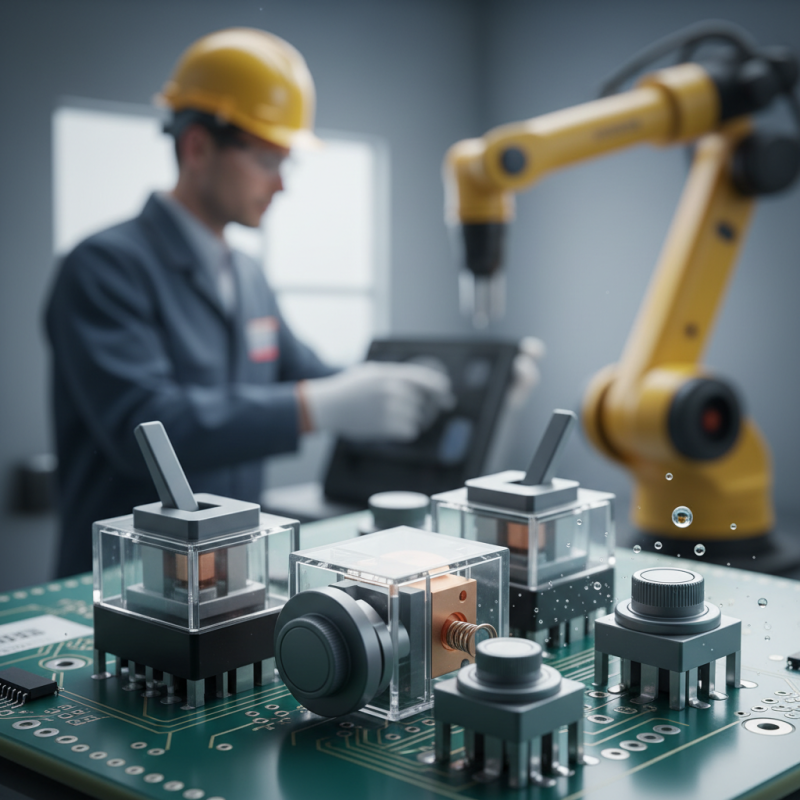
Definition and Characteristics of Micro Switches
Micro switches are small electromechanical devices that play a vital role in various applications. They are widely used in appliances, machinery, and devices to detect the position of an object. These switches are triggered by a slight physical force. Their design is compact, which allows easy integration into small spaces.
One key characteristic of micro switches is their ability to operate over a significant number of cycles. They can switch on and off thousands of times without wearing out. Their mechanism usually includes a plunger or lever that activates the switch. This quick response time makes them essential for safety and efficiency in everyday devices. However, the materials used can affect their durability, leading to potential failures.
Micro switches often operate at low voltage, which reduces risks in sensitive applications. However, users must be cautious during installation. Misalignment could lead to erratic behavior or damage. Additionally, understanding the electrical specifications is crucial. Without proper knowledge, damage can occur quickly. These factors highlight the importance of careful consideration in the use of micro switches.
Types of Micro Switches and Their Applications
Micro switches, also known as miniature snap-action switches, are widely used in various applications due to their compact size and reliability. These switches operate with a small amount of force, which allows them to detect even the slightest movement. Common types of micro switches include basic single-pole single-throw (SPST) switches and the more complex double-pole double-throw (DPDT) switches. Their design often features a tactile feedback mechanism, ensuring users know when the switch has been activated.
In practical applications, micro switches can be found in household appliances, automotive systems, and industrial equipment. For example, they are often used in safety devices within machinery. In this role, they can prevent operation if a safety guard is not in place. However, over time, micro switches can wear out, leading to reliability issues. It's crucial to monitor their performance regularly. Mistakes in their installation can also lead to unexpected failures, creating safety concerns.
Exploring different types of micro switches reveals unique applications. For instance, the toggle type is useful in hand-held devices. The rocker switch type fits well in automotive dashboards. While the advantages are clear, users must ensure they select the right type for their needs. Making the wrong choice can result in malfunction or inefficiency, leading to larger problems down the line.
Types of Micro Switches and Their Applications
This chart represents the various types of micro switches used in different applications. The data showcases the popularity and common usages of each type in various settings.
The Working Mechanism of Micro Switches
Micro switches play a vital role in various devices. Their compact size allows them to be integrated into limited spaces. Typically, a micro switch consists of a lever, a spring, and a set of contacts. When the lever is pressed, it activates the switch, closing or opening the circuit. This simple mechanism can result in profound effects in electrical systems.
The working mechanism of micro switches is intuitive yet precise. When pressure is applied, the lever pivots. This motion compresses the spring, which eventually forces the contacts to touch. This creates an electrical connection. The speed of activation is significant. A slight movement results in a quick change, ensuring responsiveness. Often, users overlook this efficiency.
Micro switches are not without their flaws. Over time, the mechanical components can wear down. Continuous use may lead to slower response times or failure. Regular maintenance can be a simple task but is often neglected. Understanding these limitations is crucial for users who rely on micro switches in daily operations. Awareness can foster better decisions for replacements or upgrades.
Benefits and Limitations of Using Micro Switches
Micro switches are small, versatile devices that detect physical movement. They are commonly found in many everyday appliances, from toasters to gaming controllers. One key advantage of using micro switches is their reliability. They can function correctly under various conditions, making them ideal for environments with dust or moisture. However, they do have limitations. For instance, the lifespan of micro switches can vary based on usage. In high-frequency applications, they may wear out faster than anticipated.
One tip for selecting micro switches is to consider their actuation force. A switch that is too sensitive could cause unwanted triggers. On the other hand, if the force is too high, it may become difficult to operate. Always analyze your specific needs before purchasing.
Another point to reflect on is the overall design. Micro switches require precise positioning to ensure they operate effectively. Poor installation can lead to inconsistent functionality. Regularly checking the alignment and condition of micro switches can help extend their lifespan.
Common Industries and Devices Utilizing Micro Switches
Micro switches are integral components used in various industries. They play a crucial role in devices that require precise control. Their rapid response time makes them ideal for applications such as safety mechanisms and user interfaces. The global micro switch market is growing rapidly. According to industry reports, it is projected to reach approximately $3.7 billion by 2027. This growth reflects their increasing adoption across several sectors.
Common industries utilizing micro switches include automotive, aerospace, and appliance manufacturing. In automotive applications, micro switches are used for functions like door sensors and safety systems. The aerospace sector relies on them for cockpit controls. In appliance manufacturing, these switches are found in products such as washing machines and ovens. Data from reports show that the automotive industry alone accounts for around 35% of micro switch usage.
Despite their widespread adoption, there are concerns regarding reliability. In some cases, micro switches may fail under extreme conditions. Continuous advancements in technology are addressing these issues, yet challenges remain. The variation in design requirements complicates achieving universal standards. More research is needed to ensure their efficiency in all applications.


