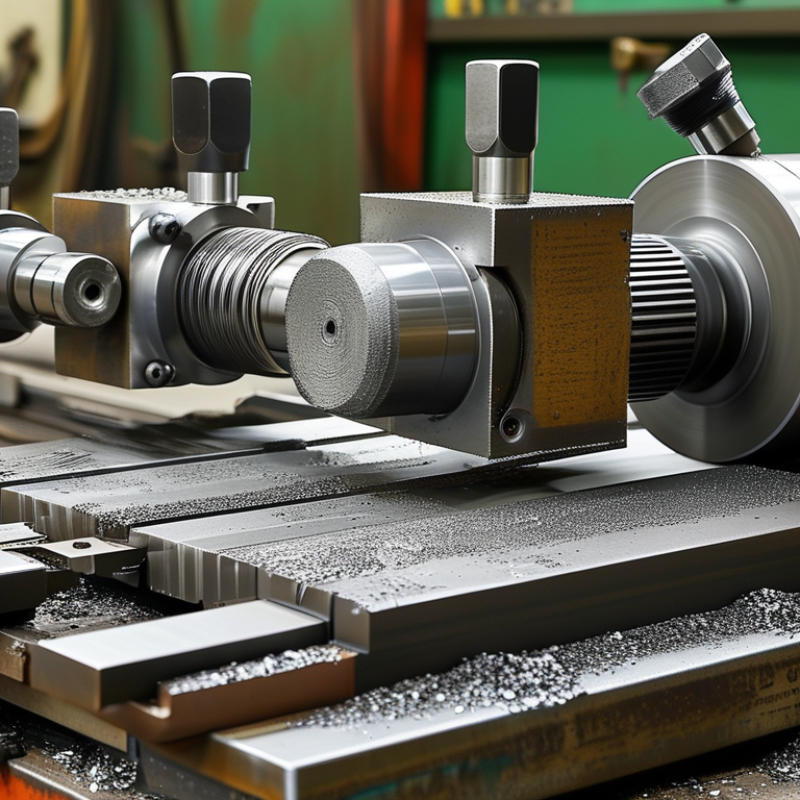
What is a Metal Grinding Machine and How to Choose One?
A Metal Grinding Machine is an essential tool in various industries. This machine plays a vital role in shaping and finishing metal parts. Understanding its functions and capabilities is crucial for anyone involved in metalworking.
Choosing the right Metal Grinding Machine can significantly impact your projects. Different machines offer unique features. Some may excel in precision, while others focus on efficiency. It is important to reflect on your specific needs before making a decision. Factors such as material types, desired finishes, and budget should guide your choice.
Consider the maintenance and operational costs of a Metal Grinding Machine. Investing in a high-quality machine can lead to better performance and longevity. However, it’s crucial to weigh these benefits against your financial constraints. Finding the perfect balance can be challenging and may require thorough research and expert advice.
What is a Metal Grinding Machine?
A metal grinding machine is an essential tool in manufacturing. It is designed to shape, finish, and improve the surface quality of metal parts. These machines work by eliminating unwanted material through various grinding processes. According to a report by Grand View Research, the global market for grinding machines was valued at approximately $4.72 billion in 2020 and is expected to grow steadily. This reflects the increasing demand for precision machining in various industries, including automotive and aerospace.
When selecting a metal grinding machine, consider several critical factors. The size and power of the machine determine its capacity. Machines vary significantly in specifications. For instance, a small tool grinder may be sufficient for delicate tasks, while heavy-duty surface grinders are necessary for larger components. It’s also vital to evaluate the machine's design and features. Some machines come with advanced features like automatic feed systems. However, they may have a steeper learning curve.
Pondering over the effectiveness of different machines can lead to insights. The industry lacks a one-size-fits-all solution. Many operators may struggle with choosing between manual and automatic options. The decision often comes down to specific operational needs and skill levels. Catering to these diverse requirements can significantly impact production efficiency and cost management in machining operations.
Metal Grinding Machine Specifications Comparison
This bar chart illustrates the power specifications of various types of metal grinding machines. It includes popular types such as belt grinders, bench grinders, angle grinders, surface grinders, and cylindrical grinders, showcasing their power in horsepower (HP). Use this information to make informed decisions when selecting a metal grinding machine.
Types of Metal Grinding Machines and Their Functions
Metal grinding machines are essential tools in various industries, used for shaping, finishing, and refining metal components. Understanding the types of metal grinding machines available can help you choose the right one for your needs.
Surface grinders are prevalent in workshops for flat surfaces. They operate using a rotating grinding wheel and are vital for achieving precision finishes. According to industry reports, about 30% of all metalworking operations involve surface grinding, highlighting its significance.
Another type is cylindrical grinders, which specialize in producing round shapes. They can grind both external and internal surfaces. These machines are crucial for manufacturers looking to produce high-tolerance workpieces. They account for around 25% of metal grinding operations.
Tip: Always assess your specific requirements before selecting a machine. Consider factors like the material type, the desired finish, and the volume of work. Operating costs and machine maintenance should also be evaluated.
Belt grinders, a third category, are versatile for different metal types. They can remove material quickly and provide finishing on large surfaces. However, they may not offer the same precision as other types. Reports indicate that improper use can lead to decreased efficiency and increased wear.
Tip: Regularly check the condition of your grinding machines. Routine maintenance can prevent costly breakdowns and ensure consistent performance. Consider safety measures, as metal grinding can pose risks if handled improperly.
Key Features to Consider When Choosing a Grinding Machine
When choosing a metal grinding machine, several key features should guide your decision. First, consider the machine's motor power. A more powerful motor allows for efficient grinding, especially with tougher materials. Look for a machine that fits your specific needs, as overpowered models may lead to difficult handling.
Next, the type of grinding wheel is crucial. Different wheels suit various applications. For instance, a diamond wheel is ideal for hard materials, while a softer wheel works for metals like aluminum. Always ensure the wheel can be easily replaced. This feature can save time and maintain productivity.
Another important aspect is the machine's weight and stability. Heavier machines often provide more stability during operation. However, they can be less portable. Balance between weight and ease of movement is key. Finally, consider safety features. A grinding machine with guards and emergency shut-off options enhances user safety. Choosing wisely can lead to better performance and longevity.
Factors Affecting Metal Grinding Machine Performance
When selecting a metal grinding machine, several factors come into play that can significantly influence performance. One primary factor is the machine's motor power. Stronger motors typically deliver higher torque, which is essential for grinding tough materials. A motor with insufficient power can lead to slower operation and inadequate results. Additionally, the type of grinding wheel used can also affect performance. Different materials and grit sizes can result in varying finishes and efficiencies.
Another important consideration is the machine's construction and stability. A sturdy frame reduces vibrations, enhancing the precision of grinding tasks. Machines with more robust designs can withstand the rigors of constant use, making them more reliable over time. User feedback often highlights issues with less stable machines, indicating that stability is crucial for optimal performance.
Lastly, consider the machine’s ease of use and maintenance. Machines that are user-friendly typically have better long-term outcomes. If operators find a machine difficult to manage, performance suffers. Regular maintenance is essential for sustained efficiency. Ignoring maintenance can lead to diminished grinding effectiveness, so factor this into the selection process as well.
What is a Metal Grinding Machine and How to Choose One? - Factors Affecting Metal Grinding Machine Performance
| Dimension | Description | Impact on Performance |
| Type of Grinding Machine | Includes surface, cylindrical, and centerless grinders. | Choice affects finish quality and processing times. |
| Motor Power | Typically measured in horsepower (HP). | Influences the material removal rate and grinding efficiency. |
| Grinding Wheel Type | Includes aluminum oxide, silicon carbide, diamond, etc. | Determines the suitability for different materials and finishes. |
| Feed Rate | Speed at which the workpiece is fed into the grinder. | Affects surface finish and grinding time; faster feed may reduce finish quality. |
| Accuracy and Tolerance | Precision of the grinding process and end product. | Essential for applications requiring high precision and fit. |
| Cooling System | Water-based or oil-based coolant application. | Prevents overheating and prolongs grinding wheel life. |
| Machine Size and Weight | Dimensions and weight of the grinding machine. | Space requirements and suitability for specific work environments. |
Maintenance Tips for Metal Grinding Machines
Metal grinding machines are essential tools in metalworking. They help in shaping and finishing metals. Proper maintenance is crucial for their longevity and performance. Here are some important maintenance tips to keep your machine running smoothly.
Regularly check and replace worn-out grinding wheels. The quality of the wheel affects the final product. Inspect the machine for any loose or damaged parts. Tightening screws and bolts can prevent accidents. Cleaning the grinding area often prevents dust buildup. Dust can impair performance and create safety hazards.
Lubrication is key in reducing friction. Apply oil to moving parts regularly. Avoid over-lubricating as it may attract more dust. Listen for unusual noises during operation. Any changes could signal maintenance needs. Take notes on machine performance to identify patterns over time. Staying observant can preempt many mechanical issues.