How to Choose the Right Photovoltaic Connectors for Your System?
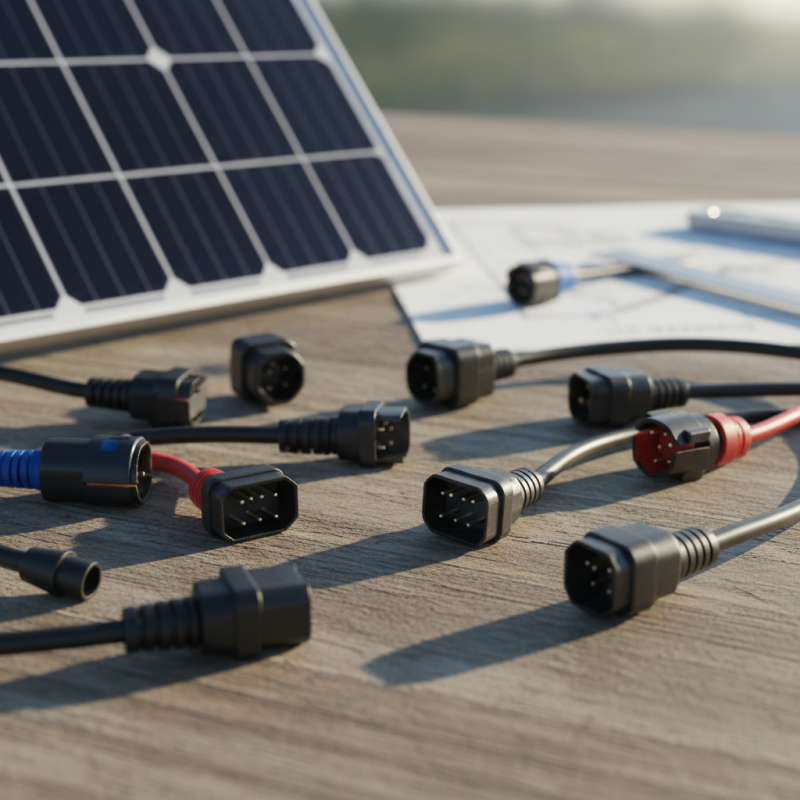
Choosing the right Photovoltaic connectors is crucial for optimal solar system performance. These connectors serve as the link between solar panels and other components. Proper selection affects efficiency, safety, and longevity.
Photovoltaic connectors come in various types and specifications. Each type has unique features and benefits. It’s essential to consider compatibility with your solar system. Do you know the specific requirements of your setup? Incorrect choices can lead to increased losses and even dangerous malfunctions.
A well-selected connector enhances energy transfer, ensuring your system runs smoothly. However, it’s easy to overlook small details. Underestimation of environmental factors can lead to poor decisions. Remember, not all connectors are created equal. Your choice should reflect the specific needs of your solar project.
Understanding Photovoltaic Connector Types and Their Applications
When considering photovoltaic connectors for a solar system, it's essential to understand the different types available. Connectors come in various forms, including MC4 connectors, which are widely used. A recent industry report indicated that MC4 connectors account for about 70% of the global market due to their reliability and ease of installation. These connectors are designed to withstand harsh weather conditions, making them suitable for outdoor solar applications.
Other types include multi-contact connectors that allow for several inputs and outputs. These can simplify installations in larger systems. However, they may require more careful handling, as improper use could lead to increased resistance and potential failure over time. Choosing the right type involves understanding your specific needs.
Tip: Always check compatibility with your solar panels and inverters to avoid costly errors.
It's essential to consider the current rating and environmental resistance of connectors as well. A mistake in selecting connectors can result in significant performance losses. For example, connectors not rated for higher voltages may overheat, posing safety risks. Make assessments based on data from certified industry studies to ensure durable and effective connections.
Tip: Regularly inspect your connectors for wear and tear. This can prevent future issues and extend the system's lifespan.
Evaluating System Voltage and Current Requirements for Connectors
When selecting photovoltaic connectors, system voltage and current requirements are crucial. According to the National Renewable Energy Laboratory, the optimal connector type depends on your specific solar panel and inverter configuration. High-voltage systems often use connectors rated for 1000V or higher. It's vital to ensure that the connectors can handle both maximum voltage and current to avoid overheating.
Current ratings should also match the system’s needs. A typical solar installation may demand connectors rated for 30A or more. When current exceeds the limits, it can lead to failures. Electrical resistance becomes a significant issue. Too much resistance can create heat, increasing the risk of fire. Efficient connections minimize energy losses, improving overall system performance.
Low-quality connectors might seem inexpensive upfront. However, they can result in long-term costs. Poor connections may cause system downtimes or shorten equipment lifespan. Newer data shows that 20% of solar failures relate to poor connectivity. Investing in the right connectors contributes to system reliability, ensuring optimal performance throughout their operational life. Balancing cost against quality is vital in this decision-making process.
Evaluating System Voltage and Current Requirements for Photovoltaic Connectors
Assessing Environmental Conditions for Connector Durability and Performance
When selecting photovoltaic connectors, it is crucial to consider environmental factors. Temperature fluctuations can impact connector performance. In extreme heat, materials may expand or degrade. Cold conditions can lead to brittleness. Humidity is another concern. Moisture can cause corrosion, weakening the connectors over time.
UV exposure is often underestimated. Connectors need UV-resistance to avoid deterioration. Without proper protection, they can fail prematurely. Dust and pollutants also affect connectors. Regular maintenance is often overlooked. It’s essential to clean connectors to ensure optimal function.
Furthermore, wind and rain can create mechanical stress on connectors. This may lead to disconnections or damage. Users sometimes choose based on price instead of durability. A lack of understanding can lead to poor choices. Selecting the right connectors requires careful consideration of these environmental conditions. Taking time to assess this can greatly enhance the longevity of the system.
How to Choose the Right Photovoltaic Connectors for Your System? - Assessing Environmental Conditions for Connector Durability and Performance
| Connector Type | Temperature Range (°C) | Environmental Rating | UV Resistance | Water Ingress Protection |
| MC4 Connector | -40 to +85 | IP67 | Yes | Yes |
| T4 Connector | -40 to +90 | IP68 | Yes | Yes |
| H4 Connector | -40 to +85 | IP66 | Yes | Yes |
| PV Connectors | -30 to +85 | IP65 | Yes | No |
| Solar Lock Connector | -40 to +90 | IP67 | Yes | Yes |
Exploring Key Features: Compatibility, Efficiency, and Safety Standards
When selecting photovoltaic connectors, compatibility is critical. These connectors must match the panels and inverters in your system. A mismatch can lead to inefficiencies. According to industry reports, connectors that are mismatched can reduce overall system efficiency by up to 15%. This can translate to lost energy production and increased costs.
Efficiency hinges not just on compatibility, but also on the materials used. High-quality connectors can withstand harsh weather conditions. They must maintain their performance over time. IEC standards indicate that connectors should handle temperatures from -40°C to +85°C without degradation. Yet, many connectors fall short, raising concerns about long-term reliability.
Safety standards should never be overlooked. Connectors must comply with UL and IEC certifications. These certifications ensure they can handle potential overcurrent situations. Inadequate safety measures can lead to fire hazards or system failures. In a 2021 survey, over 20% of installers reported that safety issues were their main concern during installations. This highlights the need for diligent selection based on safety compliance.
Making the Final Decision: Installation and Maintenance Considerations
When choosing photovoltaic connectors, installation and maintenance considerations are critical. Proper connectors ensure system efficiency. Poor choices can lead to performance losses. Research shows that as much as 30% of energy can be lost due to improper connections. This statistic alone emphasizes the need for careful selection.
Installation often requires challenging environments. Connectors must withstand varying conditions, from extreme temperatures to moisture exposure. For instance, connectors rated for IP67 protection can resist dust and flooding. Regular inspections are essential. Even the best connectors can degrade over time. This wear can create resistance and impact energy generation.
Maintenance can be overlooked during the planning phase. Regular checks of connector integrity are necessary. Some installations report issues within the first year. A simple visual inspection can reveal corrosion or discoloration. Such problems should not be ignored. When ignored, they can lead to costly repairs and system downtimes.