How to Choose the Right Construction Pipe for Your Project?
Selecting the right Construction Pipe for your project is critical. Incorrect choices can lead to inefficiencies and unforeseen costs. According to a recent report by the Construction Industry Institute, nearly 30% of project delays arise from material selection errors. This statistic underscores the importance of informed decision-making in construction.
Industry expert Dr. Emily Tan emphasizes, "The right construction pipe not only meets project specifications but also enhances overall operational efficiency." Her insights guide professionals in choosing materials that align with project requirements. Various factors, including pipe material, diameter, and intended use, must be considered for optimal performance.
Understanding the nuances of construction pipes can be overwhelming. Each project has unique needs. Many professionals navigate this complexity without sufficient knowledge, leading to common mistakes. Insightful guidance is essential in overcoming these challenges and ensuring project success.
Understanding the Different Types of Construction Pipes Available
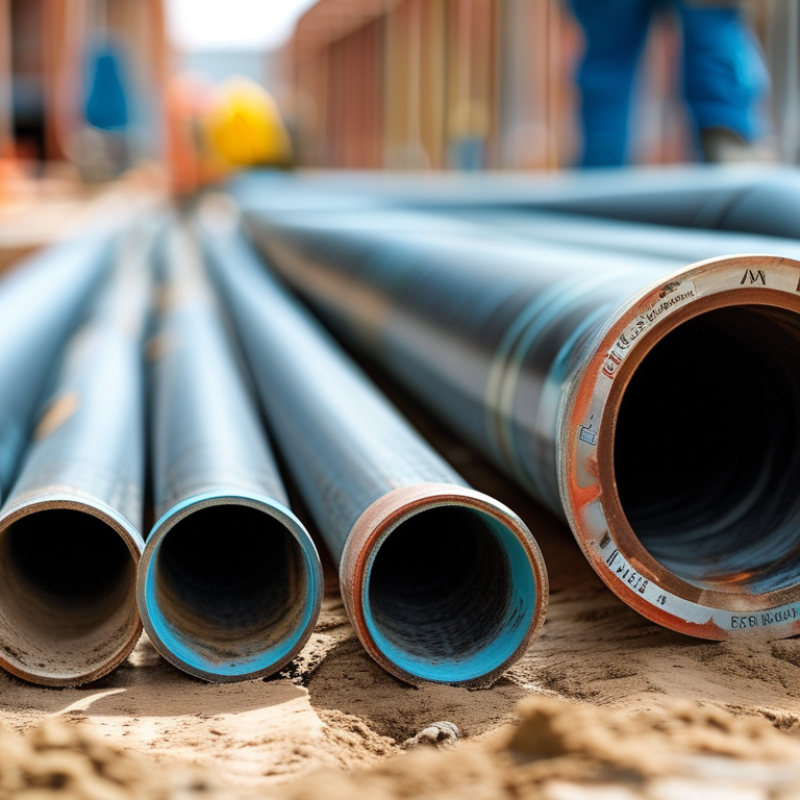
When choosing the right construction pipe, understanding the different types available is crucial. There are several materials to consider, each with its own strengths and weaknesses. PVC pipes are lightweight and resistant to corrosion. However, they may not be suitable for high-pressure applications. On the other hand, metal pipes, such as copper or steel, offer great durability. They can handle extreme temperatures but are heavier and prone to rust.
Another option is PEX, a flexible plastic piping that is easy to install. It works well for plumbing systems but may suffer from UV degradation if exposed to sunlight. Each pipe type has specific use cases. It’s important to match the pipe with the project needs. You might think a specific material is the best choice until you hit a snag with installation.
Environment and climate should also influence your decision. A pipe that performs well in a humid environment may not fare as well in dry conditions. Evaluating these factors can be daunting. Consulting with experts can shed light on these nuances, helping you avoid costly mistakes. Knowledge and experience are key to choosing wisely.
Assessing Project Requirements and Environmental Conditions
When selecting construction pipes, understanding project requirements and environmental conditions is crucial. Different projects demand specific materials due to varying stress levels and fluid types. According to a report by the American Society of Civil Engineers (ASCE), approximately 80% of construction failures link back to inadequate material choices.
Environmental conditions also play a vital role. For installations near bodies of water or in coastal areas, resistance to corrosion is paramount. The National Association of Corrosion Engineers (NACE) indicates that over 50% of cost overruns in such projects are due to unexpected corrosion issues. Conducting a thorough site assessment can prevent these overruns and enhance project longevity.
Consider soil type, temperature fluctuations, and potential exposure to chemicals. Each factor influences pipe durability and performance. A report from the International Code Council (ICC) highlights the stark reality: 30% of projects face delays due to improper material selection based on environmental evaluations. This reflection on past issues shows the importance of integrating comprehensive assessments before making final decisions.
Evaluating Material Durability and Compatibility for Pipes
Choosing the right construction pipe involves understanding material durability and compatibility. Different projects require specific pipe materials to ensure optimal performance. For example, polyvinyl chloride (PVC) pipes, known for their resistance to corrosion, are often used in drainage systems. According to a 2021 report by the American Water Works Association, PVC has a longevity of over 50 years under appropriate conditions.
Compatibility is just as vital as durability. Pipes must seamlessly fit into existing frameworks. When connecting pipes, ensure materials are compatible to prevent leaks and failures. A study conducted by the Construction Engineering Research Laboratory found that mismatched materials can cause up to 30% of plumbing system failures. This statistic highlights the importance of careful selection.
Another consideration is environmental impact. Some materials may not be sustainable or may pose health risks. Research indicates that certain types of pipes can leach harmful substances over time. Assessing these factors is crucial for responsible project planning. Ultimately, the choice of materials can significantly affect a project's success and longevity. The landscape of construction is evolving, and understanding these nuances can lead to better outcomes.
Cost Considerations: Budgeting for Pipe Selection
Budgeting for the selection of construction pipes is crucial to any project. Every project has limits. Knowing your budget helps you prioritize quality over unnecessary features. Pipes come in various materials, and prices can vary greatly. Materials like PVC or polyethylene may be cheaper, but they may not suit every application.
Consider durability and lifespan alongside initial costs. Sometimes, a more expensive pipe lasts longer and saves money in repairs. Analyze the total cost of ownership, which includes installation, maintenance, and replacement. This approach gives a clearer picture of your long-term investment.
It is also essential to account for potential price fluctuations. Material shortages can increase expenses unexpectedly. Keeping a flexible budget allows you to adapt without derailing your project. Regularly consulting with industry experts can provide insights into current market trends and materials that suit your specific needs. Lastly, don’t forget about unexpected costs, like labor or equipment rentals. They can quickly add up.
Regulations and Standards Impacting Pipe Choices in Construction
When selecting construction pipes, understanding regulations and standards is crucial. The American Society for Testing and Materials (ASTM) and the American National Standards Institute (ANSI) provide guidelines that dictate material selection, manufacturing, and installation. For example, ASTM D3034 specifies standards for PVC pipes, which are widely used for drainage. Compliance with these standards ensures quality and safety.
Local building codes also play a significant role. These regulations vary by region but typically focus on factors like pressure ratings, material types, and installation methods. For instance, a report by the National Association of Home Builders indicates that 40% of construction delays arise from compliance issues. Contractors must stay informed about these local standards to avoid costly setbacks.
Another consideration is the environmental impact of pipe materials. The U.S. Environmental Protection Agency mandates that materials must not leach harmful substances into drinking water. Recent studies show that improper material choices can lead to contamination, affecting community health. Balancing cost, quality, and regulatory compliance requires careful thought. Many construction projects struggle to achieve this equilibrium, highlighting the importance of thorough research and planning.


