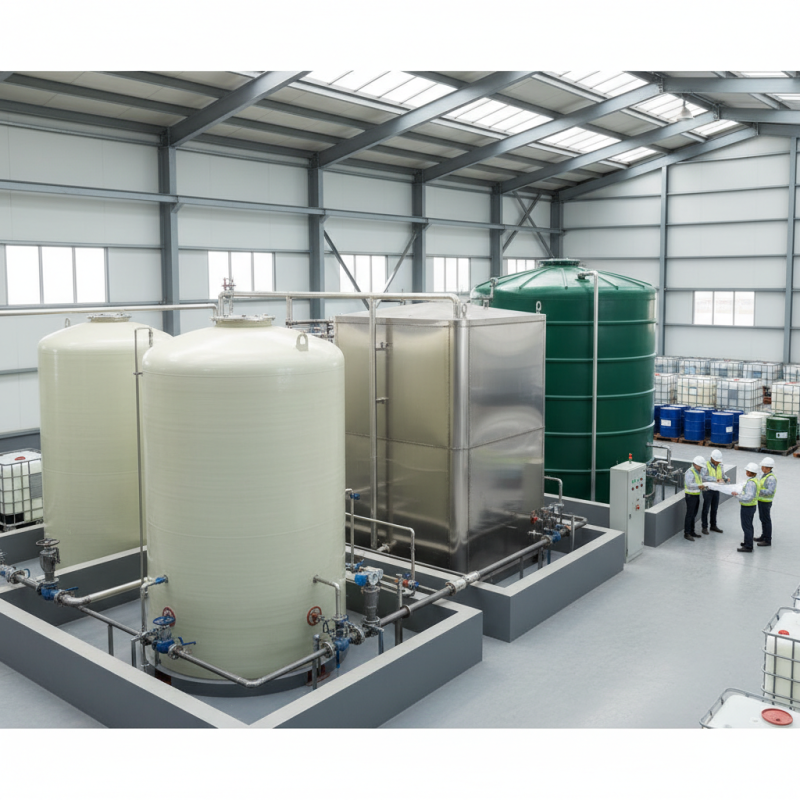
Why Choose the Right Chemical Storage Tank for Your Needs?
Choosing the right chemical storage tank is crucial for safety and efficiency. It's not just about capacity; the material, design, and compliance with regulations matter significantly. A well-designed tank minimizes risks associated with chemical leaks and contamination.
Selecting a chemical storage tank is often a complex decision. Factors like the type of chemicals stored and environmental conditions play a role. You must consider factors such as durability and maintenance requirements. Brands often promise reliability, but it's essential to research and verify these claims.
Investing time in understanding the specifications of a chemical storage tank can prevent future mishaps. Reading user reviews and expert opinions can provide valuable insights. Always reflect on your long-term storage needs and potential regulatory changes. Making an informed choice will lead to better safety and operational efficiency.
Benefits of Choosing the Right Chemical Storage Tank
Choosing the right chemical storage tank is crucial for various reasons. Different chemicals have unique properties, including volatility, corrosiveness, and storage temperature. A well-suited tank will ensure safety and efficiency in your operations. For instance, using a tank made from corrosive-resistant materials can significantly reduce risks of leaks and contamination.
The right tank also enhances compliance with safety regulations. Improper storage can lead to accidents that jeopardize personnel and the environment. A high-quality tank often comes with features like spill containment and ventilation, minimizing these hazards. Additionally, it can improve operational efficiency. A tank designed for specific chemicals typically requires less maintenance and promotes better inventory management.
However, it’s vital to assess your specific needs carefully. Not every tank will fit every situation. Factors such as temperature fluctuation, pressure requirements, and location must be considered. An oversight here could lead to considerable costs or safety issues down the line. So, weighing all your options and doing thorough research is essential.
Factors to Consider When Selecting a Storage Tank
When selecting a chemical storage tank, several critical factors come into play. The intended use is paramount. For instance, different chemicals require distinct tank materials. A report by the American Society for Testing and Materials (ASTM) suggests that using incompatible materials can lead to leaks or spills. These incidents can result in safety hazards and increase cleanup costs.
Additionally, consider the tank's capacity. Data from the National Institute of Standards and Technology (NIST) indicates that improper sizing frequently leads to operational inefficiencies. A tank that is too small may require frequent refills, disrupting workflows. Conversely, an oversized tank can lead to waste, as storing excess chemicals may not always be feasible.
Maintenance is another key aspect. Regular inspections are essential to ensure tank integrity. The Chemical Safety Board (CSB) has reported that inadequate maintenance can lead to catastrophic failures. Investing in proper maintenance can save companies significant future costs and enhance safety. Balancing these factors is crucial for effective chemical storage solutions.
Types of Chemical Storage Tanks Available
Chemical storage tanks come in various types, each designed to meet specific needs. One common type is the above-ground storage tank (AST). These tanks are frequently used for bulk storage of liquids. According to the National Fire Protection Association (NFPA), over 55% of chemical spills in facilities involve ASTs. Their accessibility makes inspection easier, but they pose risks during adverse weather events.
Another option is the underground storage tank (UST). USTs offer benefits such as protection from environmental factors and reduced risk of fire. The Environmental Protection Agency (EPA) reports that USTs can reduce potential leaks by nearly 30%. However, the challenges include costly maintenance and the difficulty of detecting leaks, often leading to environmental contamination.
Bladder tanks also serve specific needs. They are flexible and can adapt to various liquid types. According to industry surveys, bladder tanks are gaining popularity due to their low installation costs and easy mobility. Nevertheless, users must consider their lifespan, which is generally shorter compared to traditional tanks.
Regulatory Compliance and Safety Standards in Storage
Choosing the right chemical storage tank is crucial for safety and regulatory compliance. Regulations often vary by country and region. Understanding these laws can be overwhelming for businesses. They must navigate local, state, and federal rules. A right choice reduces risks associated with hazardous materials.
Safety standards guide the design and construction of storage tanks. Tanks must withstand various environmental conditions. Corrosion, leaks, and pressure must be carefully considered. A reliable tank can protect against spills that harm health and the environment. That said, it’s vital to regularly inspect these tanks for wear and tear. Over time, even the best materials might degrade.
Proper training for personnel is equally essential. Even with compliant tanks, human error poses risks. Workers must know how to handle chemicals safely. They should be familiar with emergency protocols. Investing in training not only meets compliance but fosters a culture of safety. Everyone in the organization plays a role in maintaining compliance and ensuring safety.
Maintenance and Lifespan of Chemical Storage Tanks
When it comes to chemical storage tanks, maintenance plays a crucial role in ensuring safety and longevity. Regular inspections are essential. Check for rust, leaks, and structural integrity. These are signs that your tank may need repair or replacement. Overlooking these factors can lead to costly consequences.
Lifespan varies depending on material and conditions. Typically, fiberglass tanks last longer than steel ones. However, all tanks require specific upkeep. Using proper cleaning methods can prevent chemical buildup. Accumulation can weaken tank walls, affecting durability. Moreover, environmental factors like temperature and humidity impact tank integrity.
It’s easy to overlook minor issues until they escalate. Regular maintenance can catch problems early. Document all maintenance activities for tracking trends over time. This practice improves reliability and helps in planning future inspections or replacements. Investing time in upkeep often pays off in extended lifespan and reduced risk.
Maintenance and Lifespan of Chemical Storage Tanks