Main menu Open search

Blog

How to Choose the Right Aluminum Windows for Your Project?

Choosing the right Aluminum Window begins with understanding the project, not selecting the most attractive frame. Climate, building orientation, wall structure, and daily use all influence performance. A south-facing opening may need stronger solar control. A coastal home may require enhanced corrosion resistance. Small details matter.

In practice, I would measure each opening carefully and review the surrounding materials before comparing products. Frame depth, glass type, thermal breaks, drainage paths, and hardware should match the building’s needs. For example, a thermally broken frame can reduce heat transfer in a heated room. Low-emissivity glass may improve comfort beside a cold winter window. However, product names can be confusing. A premium label does not always guarantee the best result.

Reliable decisions should come from tested performance, clear specifications, and experienced installation guidance. Check air leakage, water resistance, wind-load ratings, energy data, and warranty terms. Ask whether the manufacturer’s testing reflects your local conditions. Installation is equally important. Even a well-designed window can leak through poorly sealed joints or uneven openings.

Avoid rushing this choice. That mistake is common. Budget matters, but replacement costs matter too. Consider maintenance, expected service life, ventilation, security, and future repairs. I have found that practical questions often reveal more than glossy brochures. Which rooms need quietness? How often will the sash move? Will furniture block the opening? A careful selection process may feel slower, yet it usually produces a more comfortable, durable, and dependable project.
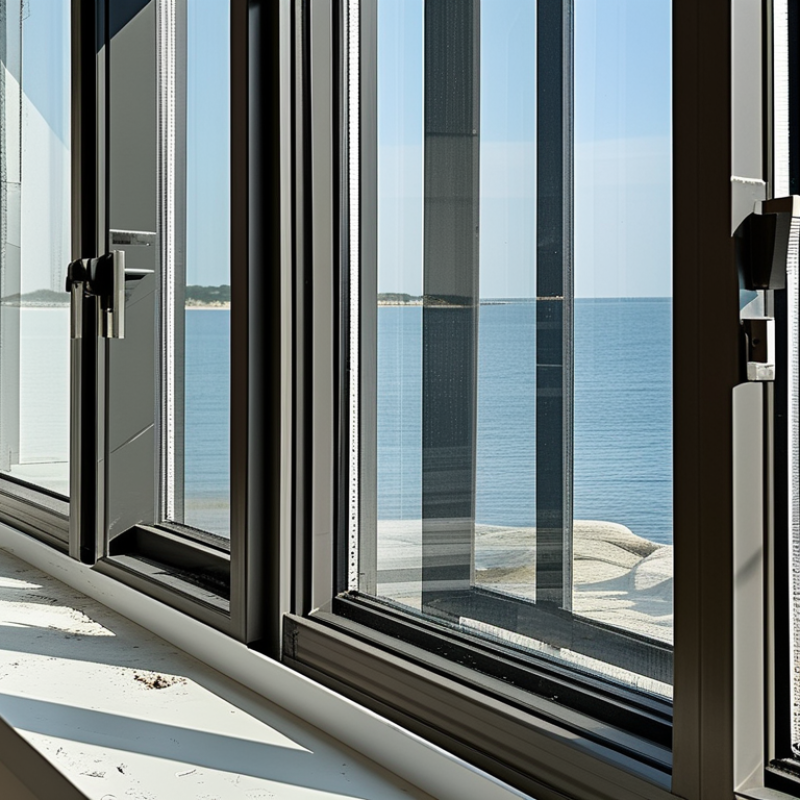
How to Choose the Right Aluminum Windows for Your Project?

Define Project Requirements and Window Performance Goals

Choosing aluminum windows begins with defining the project, not comparing frame colors. Record the building’s climate zone, orientation, room use, glazing area, and installation conditions. A south-facing living room may need stronger solar control than a shaded corridor. A coastal project may also require enhanced corrosion resistance. Small details matter.

Set measurable performance goals before requesting quotations. The U.S. Department of Energy reports that windows can represent 25–30% of residential heating and cooling energy use. Therefore, review U-factor, solar heat gain coefficient, visible transmittance, and air leakage ratings.

Lower U-factor generally reduces heat transfer while a suitable SHGC manages unwanted solar gain. The National Fenestration Rating Council explains that these ratings allow more consistent product comparisons. Do not judge thermal performance from frame material alone.

Check sound, safety, maintenance, and expected service life as well. A busy urban bedroom may need laminated glazing and tested acoustic performance. A large operable unit needs reliable hardware and careful drainage detailing.

The International Energy Agency identifies building envelopes as a major energy-efficiency opportunity, but installation quality can weaken calculated results. Ask for tested assembly values, not only center-of-glass data.

On site, inspect shims, perimeter seals, and sill flashing. This step is often rushed. That is a mistake. Recheck the specification against local codes and real weather exposure; an attractive window can still be the wrong window.

Compare Aluminum Window Types, Styles, and Opening Configurations

Choosing aluminum windows starts with understanding how each type behaves in real rooms. Fixed windows provide clear views and strong daylight, but they do not ventilate. Sliding windows save interior space and suit wide openings, although their tracks need regular cleaning. Casement windows open outward with a crank and usually provide better airflow. Awning windows hinge at the top, helping protect interiors during light rain. Tilt-and-turn designs offer two opening positions, but their hardware can cost more.

Style should support the building rather than compete with it. Slim frames create a contemporary appearance and increase visible glass. Larger frame profiles can improve strength, especially for oversized panels. Powder-coated finishes resist everyday wear, yet color selection still affects heat absorption and maintenance. A dark frame may become noticeably warm in direct summer sun. That detail is easy to overlook.

Opening configuration deserves careful site planning. Check furniture clearance, walkways, wind direction, and emergency exit requirements before choosing outward-opening units. For a kitchen, an awning window above the counter may work better than a casement. In a narrow hallway, sliding or fixed glazing can prevent accidental obstruction. Thermal-break frames and suitable double glazing improve comfort, but performance depends on correct installation and sealed joints. No configuration wins everywhere. A common mistake is choosing the most attractive style before measuring actual use. Recheck the decision against ventilation needs, cleaning access, local weather, and the building’s daily rhythm.

Evaluate Frame Quality, Glass Options, and Thermal Efficiency

How to Choose the Right Aluminum Windows for Your Project?

Frame quality affects comfort, durability, and long-term operating costs. Choose aluminum sections with a continuous thermal break, reliable corner joints, and tested air and water resistance. A thin frame may look elegant, but weak reinforcement can cause movement around large glass panels. The U.S. Department of Energy reports that windows can represent 25–30% of residential heating and cooling energy use. That makes frame performance more than a visual choice.

Glass selection should match the project’s climate and orientation. Low-emissivity coatings reduce heat transfer, while double glazing improves insulation in many moderate climates. Triple glazing can help in colder regions, but it adds weight and cost. Check the U-factor and solar heat gain coefficient through independent certification data. The National Fenestration Rating Council explains that lower U-factor means better insulation, while SHGC should be selected according to sunlight and cooling needs. I have seen projects over-focus on glass and ignore installation gaps. That mistake is expensive.

Tips: Compare certified U-factor, SHGC, visible transmittance, and air-leakage ratings. Ask for thermal-break details, not only profile images. Inspect gasket compression and drainage paths. Do not assume triple glass always performs better; poor installation can erase its advantage. A site mock-up may reveal drafts, glare, or condensation before full installation.

How to Choose the Right Aluminum Windows for Your Project?

Typical thermal transmittance values for common frame and glazing options

Lower U-values indicate better insulation. Thermally broken aluminum frames and low-emissivity argon-filled glazing generally reduce heat transfer, improve comfort, and support lower heating and cooling demand. Actual performance depends on the complete window system, size, installation, and test standard.

Check Installation Conditions, Maintenance Needs, and Building Standards

How to Choose the Right Aluminum Windows for Your Project?

Before selecting aluminum windows, inspect the actual installation conditions. Measure each opening, not just the drawings. Uneven masonry, narrow reveals, and moisture around sills can change the required frame depth. On one renovation, a small level error caused visible gaps after installation. We corrected the opening before ordering, but the delay was avoidable.

Check exposure carefully. South-facing glass may need solar control, while shaded elevations may prioritize daylight. Coastal air, heavy rain, dust, and strong wind also affect the frame finish and hardware. Ask how water drains from the sill. A deep sill without a reliable drainage path can trap moisture. This detail is easy to overlook.

Maintenance should match the building’s daily reality. Hinges, tracks, gaskets, and drainage holes need accessible cleaning points. Test sample windows before approval. Open them repeatedly, inspect handle clearance, and listen for rubbing. I once trusted a smooth showroom sample, but the installed window became difficult to operate after slight settlement. That experience changed my review process.

Confirm the applicable building standards before fabrication. Requirements may cover thermal performance, wind resistance, air leakage, fire separation, safety glazing, and emergency escape. Record the required values and request verifiable test documents. Local conditions can be stricter than general guidance. A technically attractive window is still unsuitable if installers cannot fit it correctly or inspectors cannot verify its compliance.

Balance Pricing, Lifespan, Customization, and Supplier Reliability

How to Choose the Right Aluminum Windows for Your Project?

Price should begin the conversation, not end it. The U.S. Department of Energy reports that windows can account for 25–30% of residential heating and cooling energy use. A cheaper frame may therefore increase long-term operating costs. Compare U-factor, solar heat gain coefficient, air leakage, and glazing specifications. Ask for tested performance data, not attractive promises.

Lifespan and customization also need practical judgment. Aluminum frames suit large openings, slim sightlines, and unusual shapes, but thermal breaks are essential in many climates. The International Aluminium Institute reports that recycled aluminum requires about 5% of the energy used for primary production. That supports sustainability goals, although recycled content alone does not guarantee good performance. Inspect corner joints, drainage paths, coating quality, and hardware before approving samples. Small defects become expensive beside a finished wall.

Supplier reliability is harder to measure. Request project references, warranty terms, test certificates, maintenance guidance, and written delivery milestones. A 2023 Dodge Construction Network report identified material availability and supply-chain disruption as continuing construction concerns. Do not ignore that risk. I have seen polished samples hide weak coordination. My own selection checklist is not perfect, but it forces clearer questions: who confirms dimensions, who handles damaged units, and who remains available after installation? The best quotation is not always the lowest one.

Article Source:

Exclusive Access

Unlimited Resources

Detailed information on our products to assist you with the planning of your cable management project

Register Now

BIM Files

Step Files

Installation Manuals

User Guides

Best Practice Guides

Technical Charts