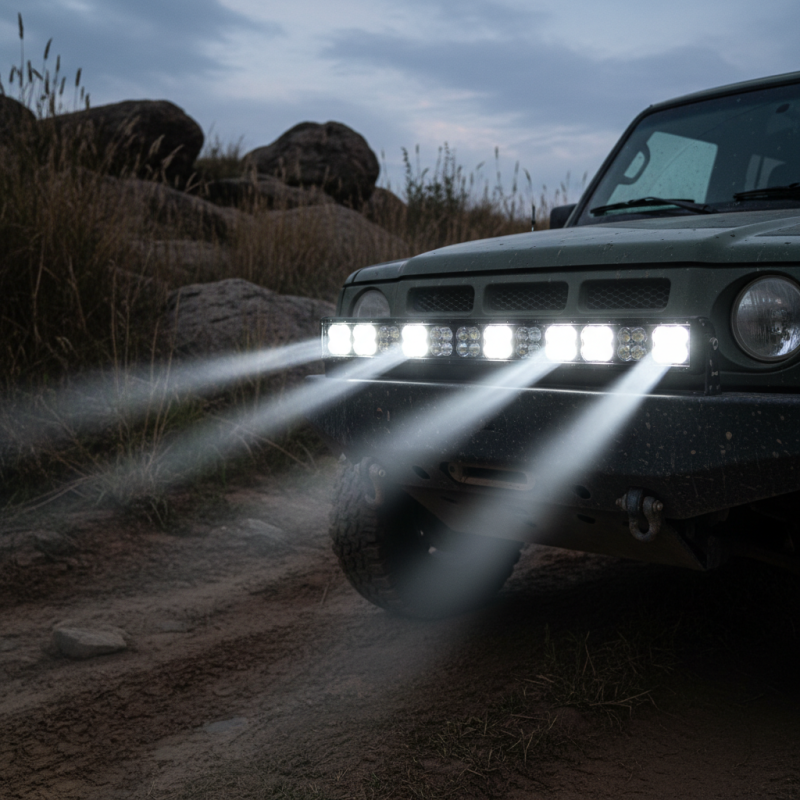
How to Choose the Best LED Light Bar for Your Needs?
When it comes to selecting the ideal LED Light Bar, many factors come into play. The market offers various options, each with distinct features and specifications. Understanding these options is crucial for making an informed decision that meets your specific needs.
Choosing an LED Light Bar is not just about brightness. It involves evaluating beam patterns, durability, and power consumption. Each use case, whether for off-roading or emergency lighting, demands different features. Consider the environment where the light will be used.
Not all LED Light Bars are created equal. Some may have impressive brightness but poor beam distribution. Others might focus on energy efficiency but lack durability. Reflecting on your priorities can help refine your choice. Investing time in research often leads to better results.
Understanding Different Types of LED Light Bars Available in the Market
When choosing an LED light bar, it's essential to understand the various types available. Each type serves a different purpose. Flood lights are excellent for wide-area illumination. They provide a broad beam angle, making them suitable for off-road adventures or large work areas. Spot lights, on the other hand, focus their light on a specific point. They are ideal for applications requiring distance visibility, such as in vehicle lighting or for hunting.
Another category is the combo light bar. This type combines flood and spot functions in one unit. It offers versatility for different environments. However, users should consider their specific needs before selecting one. A light bar's lumen output, wattage, and color temperature can significantly impact performance. Some users opt for higher wattage, assuming it means better light. This isn't always true, as quality also matters.
Do not overlook the installation process. Some light bars require complicated setups, while others allow for easy mounting. A light bar that seems perfect might not fit your vehicle or space. Take the time to measure. Read reviews to gauge durability and performance as well. Customer feedback often highlights shortcomings that may not be obvious at first glance. Reflecting on these aspects can lead to a better purchase decision.
Key Considerations for Determining the Right Size and Brightness
When selecting an LED light bar, size and brightness are crucial. The right size should fit your vehicle or intended space seamlessly. Consider where you'll mount the light bar. Longer bars might not fit on smaller vehicles. Too large a bar could create blind spots or distracting glare. Measure the area carefully before making a decision.
Brightness is another key factor. It’s measured in lumens. Higher lumens mean brighter light. However, brightness should match your needs. For off-road driving, high brightness can be advantageous. Yet, if you only need it for occasional use, extreme brightness might be unnecessary. A good balance will save energy and avoid eye strain.
Be mindful of light beam patterns, too. Spot beams focus light, while flood beams cover wider areas. Some products combine both. Make sure the light bar aligns with your specific tasks. Testing different setups can reveal what works best for you. Don’t rush the decision; it could make a significant difference in your experience. Consider all dimensions carefully.
Evaluating the Beam Pattern for Specific Applications and Environments
Selecting the right beam pattern for an LED light bar is crucial for specific tasks. A flood beam pattern spreads light over a broad area. This is ideal for off-road driving or illuminating campsites. In contrast, a spot beam pattern focuses light into a narrow, intense beam, perfect for long-range visibility, like during night drives on deserted highways.
Consider the application where you'll use the light bar. For instance, if working in tight spaces, a combination beam pattern may be beneficial. It provides both distance and width in lighting. However, using too wide a beam can lead to wasted light and reduced effectiveness in darker environments. It’s essential to reflect on your most common scenarios and adjust your choice accordingly.
When evaluating beam patterns, it's essential to explore each option's pros and cons. Not every situation aligns perfectly with a specific beam type. One might discover that a wider beam creates too much glare in certain settings. Finding the right balance can be tricky. A little experimentation might be needed to determine which pattern best suits your needs, ensuring you gain the most utility from your light bar.
Assessing Durability and Weather Resistance for Outdoor Use
When selecting an LED light bar, assessing durability and weather resistance is crucial, especially for outdoor applications. Statistics indicate that about 30% of LED light failures are due to adverse weather conditions. Hence, one must prioritize materials that can withstand rain, snow, and extreme temperatures. Look for light bars made from high-grade aluminum or polycarbonate, as these materials offer excellent resistance to corrosion and impact.
Tips: Always check the IP rating of the light bar. A rating of IP67 or higher ensures effective water and dust protection. Pay attention to the lens quality as well. High-quality lenses can minimize UV exposure and resist yellowing over time.
The mounting hardware should also be robust. Many users overlook this, resulting in potential issues. A compromised mount can lead to vibration or displacement. Weatherproof seals are equally important. They prevent moisture intrusion, prolonging the lifespan of your light bar.
In some instances, users report issues with light output in harsh conditions. It's vital to ensure the light bar is rated for low temperatures. Not all products perform well in freezing environments. Testing different products in real-world conditions can provide actionable insights.
Durability and Weather Resistance of LED Light Bars
Comparing Price and Warranty Options for Optimal Value
When choosing an LED light bar, price and warranty are crucial factors. A recent industry report stated that consumers often underestimate the importance of warranty coverage. Many products come with only a one-year warranty, which can mean limited protection against defects. It’s essential to find options that offer extended warranties. These often indicate higher quality and reliability.
Beyond just the initial cost, consider how a light bar performs over time. Cheaper models may use lower-grade materials, resulting in performance issues down the line. Studies show that investing a bit more can save money through reduced replacements. Look for a warranty that covers at least three to five years of use. This usually translates to better reliability and functional longevity.
Tips: Always read the fine print on warranties. Some warranties require specific installation procedures. Neglecting these could void coverage. Additionally, analyze customer reviews and ratings. Real-life experiences can provide insight into durability and performance.
Don’t overlook the benefits of price comparison tools. You might find substantial savings. However, ensure that the sources are credible. Not all “best price” listings reflect quality products. It’s a balancing act between cost and value, where being informed is essential for making a wise investment.
How to Choose the Best LED Light Bar for Your Needs? - Comparing Price and Warranty Options for Optimal Value
| Dimension | Value 1 | Value 2 | Value 3 |
| Price | $45 | $60 | $75 |
| Warranty (Years) | 2 | 3 | 5 |
| Brightness (Lumens) | 3200 | 4800 | 6000 |
| Length (Inches) | 20 | 30 | 50 |
| Ingress Protection Rating | IP67 | IP68 | IP69K |