How to Choose the Right 4mm Solar Cable for Your Needs?
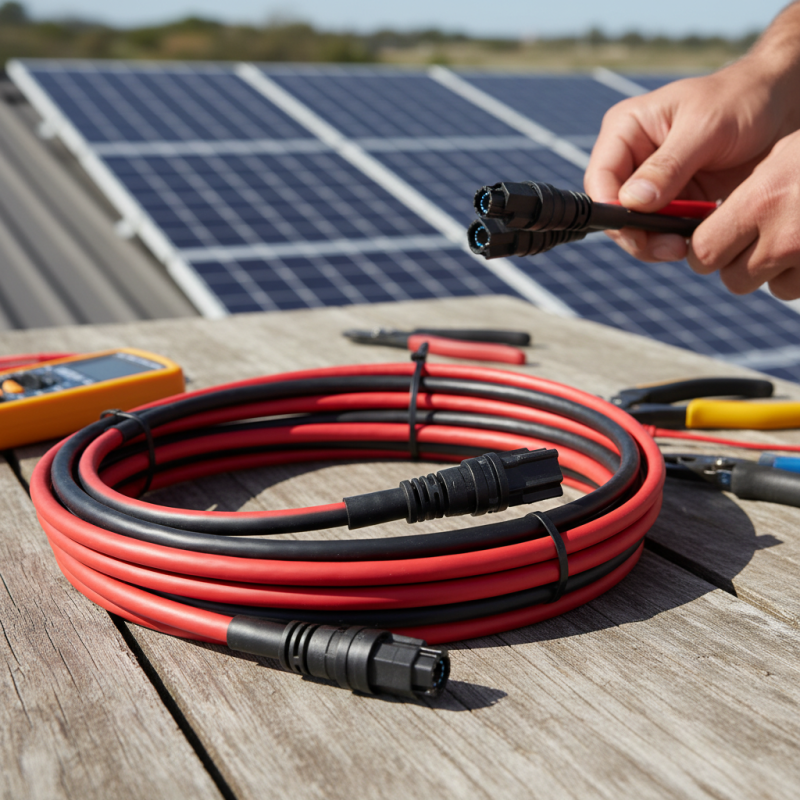
Choosing the right 4mm Solar Cable is crucial for any solar power project. According to solar energy expert Dr. Emily Parker, “The quality and gauge of your solar cable can significantly impact system performance.” This highlights the importance of making informed decisions when selecting cables.
When assessing 4mm Solar Cables, consider factors such as current capacity and environmental conditions. High temperatures and UV exposure can degrade inferior cables, leading to safety hazards. Many users overlook these details, only realizing the implications when their systems underperform.
It's also essential to match cable specifications with your solar setup. Miscalculations can lead to energy loss and costly repairs. Experts suggest paying close attention to connector compatibility as well. Taking time to research will save you from potential headaches down the line.
Understanding the Importance of 4mm Solar Cables in Photovoltaic Systems
4mm solar cables play a critical role in photovoltaic systems. These cables help transmit electrical energy generated by solar panels effectively. Selecting the right cable is essential for ensuring optimal performance and safety. Reliability in cable quality can prevent costly issues down the line.
Using 4mm cables, users can expect efficient energy flow, especially in small to medium-sized solar setups. However, the market offers a variety of options, making the selection process challenging. Factors such as temperature ratings, insulation type, and UV resistance should be considered carefully.
Many choose cables based solely on price. Yet, this approach may lead to complications over time. A low-cost cable could degrade faster, reducing efficiency. The long-term impact on performance and maintenance costs often outweighs initial savings. Understanding these factors is key to making informed decisions when choosing solar cables.
Key Specifications and Standards for 4mm Solar Cable Selection
When selecting a 4mm solar cable, several key specifications should be considered. The first important factor is the cable’s voltage rating. Ensure it matches your system requirements. For most solar installations, cables must withstand high voltages. Look for cables rated at least 600V.
Another critical specification is the insulation material. Common materials include PVC and XLPE. PVC is cost-effective but may not handle extreme temperatures as well as XLPE. Additionally, check the cable’s temperature rating to ensure it suits your local climate. A cable that can endure high temperatures will ensure longevity and performance.
Lastly, pay attention to certification standards. Look for cables that comply with international standards such as IEC 60228 or UL 4703. These standards ensure the cable's quality and safety. It may seem tedious, but verifying these details could prevent costly failures in the future. Always prioritize quality over cost; it pays off in the long run. Remember, exploring options helps, but overspending is equally unwise. Trust your judgment while seeking reliable sources for information.
4mm Solar Cable Performance Comparison
Evaluating Environmental Factors Affecting Solar Cable Performance
When selecting a 4mm solar cable, understanding environmental factors is crucial. Temperature, humidity, and UV exposure significantly influence cable performance and longevity. Extreme temperatures can lead to thermal expansion or contraction, potentially damaging the insulation. According to the National Renewable Energy Laboratory (NREL), cables exposed to high UV radiation degrade up to 10% faster than those in shaded environments.
Humidity levels also play a role in insulation wear. High moisture can cause electrical failures and corrosion over time. The International Electrotechnical Commission (IEC) suggests that cables used in humid environments should have enhanced water resistance. This can increase their lifespan and maintain performance. Regular inspections and maintenance of solar cables are essential to catching early signs of wear.
Lastly, consider local weather patterns. Areas prone to storms may expose cables to extreme wind or debris. The Electrical Safety Foundation International (ESFI) recommends choosing impact-resistant cables for these regions. Prioritizing durable materials may reduce the risk of costly replacements and improve overall system reliability. Investing time in sourcing quality cables can yield long-term benefits.
Comparing Different Types of 4mm Solar Cables: Materials and Durability
When selecting a 4mm solar cable, understanding the materials used is essential. The most common materials include copper and aluminum. Copper cables typically offer better conductivity, resulting in lower energy loss. According to industry standards, copper cables provide conductivity rates of around 97% compared to aluminum’s 61%. This can significantly affect overall system performance.
Durability is another critical factor. Weather-resistant insulation is crucial for prolonged outdoor use. Many cables feature UV-resistant coatings and are designed to withstand extreme temperatures. Reports indicate that poorly insulated cables can lead to degradation within three to five years, which is a concern for many solar installations. The choice of insulation materials, such as PVC or XLPE, can impact both lifespan and performance.
Environmental factors should also be considered. Corrosion resistance is vital, especially in coastal areas. Research indicates that cables exposed to saltwater can deteriorate much faster. Regular maintenance and checks can help identify issues early, but selecting the right cable can reduce long-term risks. Ultimately, careful consideration of these material properties and environmental factors will lead to a more effective solar energy system.
Cost-Effectiveness Analysis of 4mm Solar Cables for Optimal Performance
When selecting a 4mm solar cable, cost-effectiveness is key. Industry reports indicate that investing in quality solar cables can significantly enhance efficiency. For instance, a recent study suggests that subpar cables can lead to energy losses of up to 25%. This loss can offset any initial savings made on cheaper cables. Therefore, a long-term view is essential when evaluating cable options.
The installation process also affects overall performance and cost. An average solar cable installation can range from $100 to $300. However, using high-quality, well-insulated 4mm cables can streamline maintenance and reduce potential downtimes. According to the Solar Energy Industries Association, durable cables can last over 25 years with minimal degradation. This lifespan can create substantial savings over time, despite higher upfront costs.
Choosing the right cable involves understanding your specific needs. Factors like distance, weather conditions, and the load requirement should guide your decision-making. Potential users should conduct this analysis carefully. Overlooking these aspects may lead to excessive expenses in the future. A thoughtful approach to selecting 4mm solar cables can ensure optimal performance and financial prudence.