What Is Blue Light Therapy and How Does It Work?
Blue Light Therapy sounds simple: shine a carefully selected wavelength onto the skin or eyes, then let biology respond. In practice, the process is more controlled. Blue light commonly refers to visible wavelengths near 400–500 nanometres. Dermatology clinics and home devices often use it for mild to moderate acne. The light can reach acne-related bacteria called Cutibacterium acnes. It may also influence inflammation near blocked pores.
Photomedicine researcher Michael R. Hamblin, PhD, describes photobiomodulation as “the use of low-power light to stimulate or inhibit cellular function.” That principle helps explain why light exposure can create biological effects without heat or ultraviolet radiation. However, blue light therapy is not a universal cure. Results depend on wavelength, intensity, exposure time, skin condition, and treatment consistency. Some people notice fewer inflamed spots. Others see limited change.
The details matter.
A blue glow from an ordinary screen is not equivalent to a clinical device. Professional systems usually control dose and exposure distance. Home masks may vary considerably in output. Eye protection can also be important, especially with bright equipment. People using photosensitising medicines or managing eye disorders should seek medical advice first.
Evidence is promising, but not flawless. Long-term benefits remain less certain than short-term acne improvements. This guide examines how Blue Light Therapy works, what current research supports, and where expectations should remain realistic. A clearer understanding may prevent overuse, wasted money, and disappointing results.
What Is Blue Light Therapy?
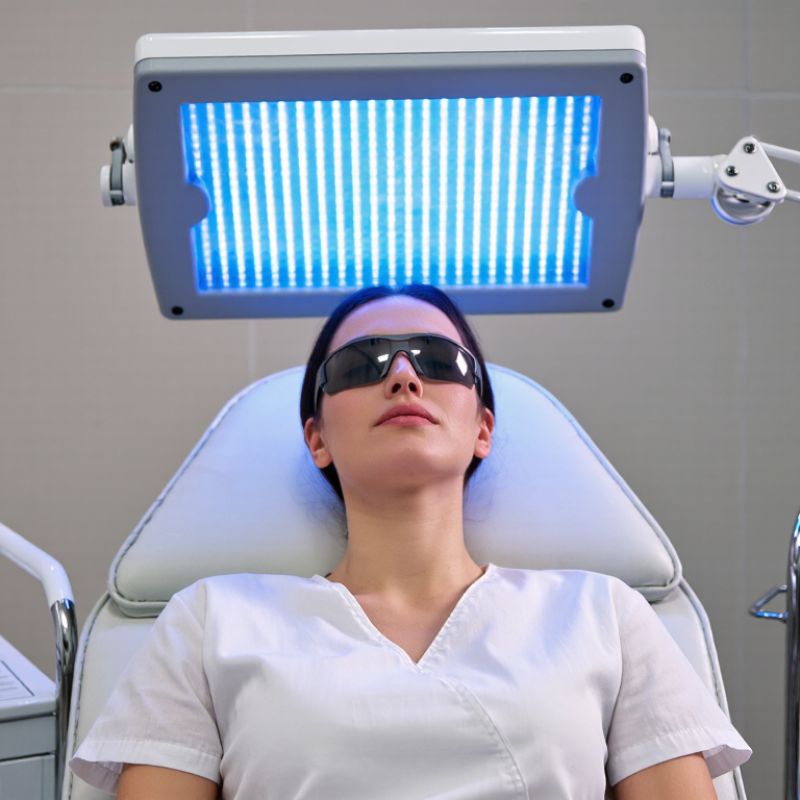
Blue light therapy is a non-invasive treatment that uses visible blue light, usually around 400 to 500 nanometers. Unlike ultraviolet light, it does not tan the skin or intentionally damage its DNA. In dermatology, it is mainly used for mild to moderate acne. Blue wavelengths can activate porphyrins, natural compounds linked with Cutibacterium acnes. This reaction may create oxygen molecules that reduce some acne-causing bacteria.
A treatment session usually involves clean, dry skin under a focused light source. It may feel warm, but it should not feel painful. Sessions often last several minutes, and repeated treatments may be needed. Results are rarely instant. Redness and new breakouts can still appear during the early weeks. That detail is easy to overlook.
Blue light therapy is not a universal acne solution. It may work better for inflamed spots than for deep cysts, blackheads, or acne scars. Home devices also differ in strength, timing, and safety controls. More light is not automatically better. Protecting the eyes matters, especially during longer sessions. People using photosensitizing medicines or managing eye conditions should seek medical advice before treatment. The evidence is useful, but not perfect. A qualified clinician can assess the skin, review medications, and decide whether blue light fits the problem.
How Blue Light Therapy Works on the Skin
Blue light therapy uses visible blue wavelengths, commonly around 405–420 nanometers, to affect acne-related bacteria on the skin. These wavelengths activate porphyrins inside Cutibacterium acnes. The reaction creates reactive oxygen species, which can damage the bacteria and reduce inflammation. There is no ultraviolet radiation in properly designed blue-light treatment. That distinction matters.
Acne affects nearly 50 million Americans annually, according to the American Academy of Dermatology. The AAD also reports that acne affects up to 85% of people aged 12–24. Blue light may help mild inflammatory acne, especially red bumps and small pustules. It does not reliably remove blackheads, deep cysts, or acne scars. Results usually require repeated sessions over several weeks. Some people notice dryness, temporary redness, or little change. The evidence is promising, but not tidy.
Clinical reviews suggest that blue light often works better as part of a broader acne plan than as a standalone treatment. Treatment quality varies with wavelength, dose, distance, and session length. Home devices may not match clinical equipment. A 2024 American Academy of Dermatology guideline emphasizes established treatments, including benzoyl peroxide and topical retinoids, when appropriate. A dermatologist should check persistent acne, painful lesions, or sudden worsening. Blue light can support skin care, but it should not replace a proper diagnosis.
Common Uses and Conditions It May Address
Blue light therapy uses carefully controlled light, often within the blue portion of the visible spectrum, to influence cells or microorganisms. Its effects depend on wavelength, dose, treatment time, and the condition being treated. It is not one universal therapy. Different devices may produce very different results.
A common use is mild to moderate acne. Blue light may reduce Cutibacterium acnes, bacteria associated with inflamed breakouts. Some people notice fewer red pimples after repeated sessions. It does not remove blackheads, deep cysts, or acne scars. Dermatologists may also use blue light in photodynamic therapy for certain sun-damaged skin lesions, including actinic keratoses. This approach usually involves a light-sensitive medicine first. It should not be confused with ordinary home light treatment. Precision matters.
Blue light is also used in hospitals to treat newborn jaundice. In this setting, specific wavelengths help the body process excess bilirubin. Separate light-based treatments may support seasonal mood changes, but these commonly use bright broad-spectrum light rather than blue light alone. The evidence is uneven. Claims about skin rejuvenation, rosacea, or faster wound healing need cautious interpretation. I would not call blue light a cure. Eye disease, light sensitivity, certain medicines, and pregnancy-related concerns may require medical advice. Protective eyewear can be essential. Home treatment can feel simple, but incorrect exposure may irritate skin or harm the eyes.
Safety Considerations and Possible Side Effects
Blue light therapy uses concentrated visible light to affect specific skin processes. Dermatologists may recommend it for mild to moderate acne, because blue wavelengths can target acne-related bacteria near the skin surface. Treatment is usually non-invasive, but “gentle” does not mean risk-free. Results vary with the device, treatment schedule, skin condition, and individual sensitivity.
Safety deserves careful attention. Common side effects include temporary redness, dryness, tightness, warmth, or mild irritation. Some people notice headaches or eye strain, especially when protective eyewear is not used correctly. Eyes need protection. Blue light may also cause uneven pigmentation in sensitive individuals, although this is not the usual response. People taking photosensitizing medicines, or those with light-sensitive disorders, should speak with a qualified healthcare professional before treatment. A clinician should also review unexplained rashes, severe acne, or persistent skin changes instead of treating them at home.
Tips: Follow the device instructions exactly, and never extend sessions because faster is not always better. Clean the skin gently and avoid combining therapy with harsh exfoliants unless a professional approves it. Stop if you develop blistering, swelling, intense pain, or lasting vision changes. Keep a simple treatment record, including session length and skin reactions. It may reveal a pattern. I used to assume mild irritation proved the treatment was working, but that assumption can delay proper care. A safer approach is to reassess early and ask for professional guidance.


