What are the Best Remote Control Modules for Global Buyers?
In today's digital landscape, the demand for Remote Control Modules continues to surge. According to recent industry reports, the global remote control market is expected to reach $44 billion by 2026, illustrating its significant growth. This growth reflects the evolving needs of consumers and businesses alike for effective remote solutions.
Remote Control Modules play a crucial role in automation and smart technology. They enhance user experience and increase operational efficiency across various sectors. However, buyers must evaluate features like range, compatibility, and ease of integration. Achieving a balance between these factors can be challenging, and many suppliers may not meet all expectations.
Nevertheless, understanding the best options available is key for global buyers. Professional insights reveal that leading manufacturers often prioritize user feedback and technological advancements. This approach leads to improved product offerings. Yet, not every Remote Control Module is perfect, with some requiring ongoing improvements. Continuous evaluation is essential for making informed purchasing decisions.
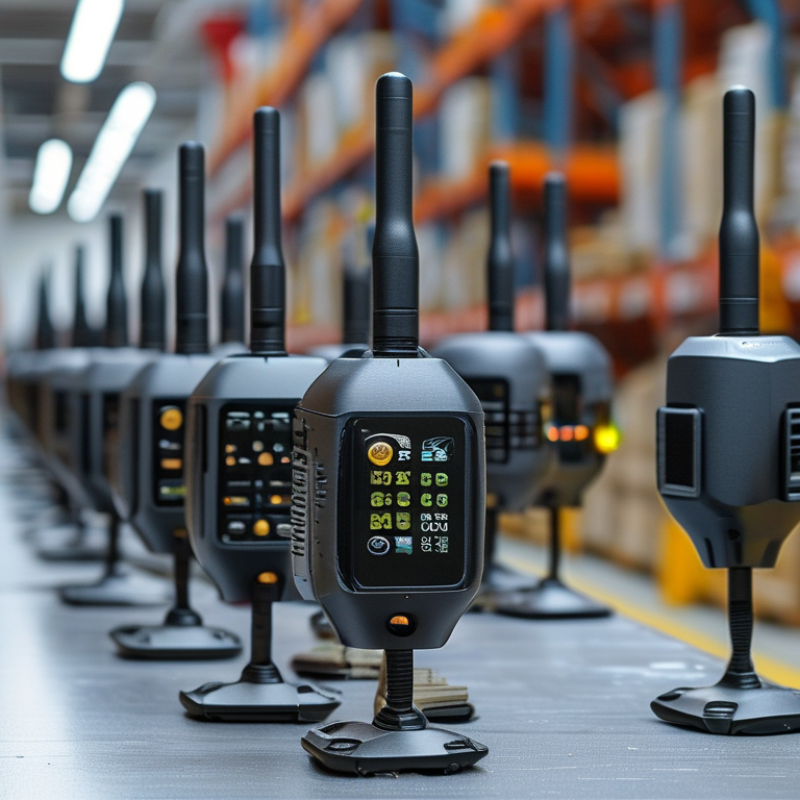
Overview of Remote Control Modules and Their Applications
Remote control modules play a crucial role in various applications, from home automation to industrial processes. These modules allow users to operate devices wirelessly, offering convenience and efficiency. They come in different types, including infrared, RF, and Wi-Fi modules. Each type has unique advantages that suit different scenarios. For example, RF modules can work through walls and obstacles, making them ideal for larger spaces.
In industrial settings, remote control modules are essential for machinery operation and monitoring. They enhance safety by allowing operators to keep a safe distance from equipment. Additionally, in smart homes, these modules integrate with other smart devices. This integration leads to a seamless user experience. However, ensuring compatibility can be challenging. Buyers must consider factors such as range and battery life, which can vary greatly among models.
It's important to note that the market for remote control modules is vast and constantly evolving. New technologies emerge regularly, which might render some options outdated. Buyers should stay informed about these trends. Understanding the specific needs of your application is key to making the right choice. This can lead to better performance and satisfaction with the selected remote control module.
Key Features to Consider When Selecting Remote Control Modules
When choosing remote control modules, several key features must be considered. The wireless range is critical, as it impacts functionality. Reports indicate that modules with a range of at least 100 meters are preferred for versatile applications. This helps in achieving efficient communication in various environments, from homes to large industrial setups.
Another important aspect is the frequency band. Modules operating on 2.4 GHz are common because they offer better compatibility. However, the choice between 2.4 GHz and sub-GHz bands depends on specific requirements. Data shows that sub-GHz modules can penetrate obstacles more effectively, but they might have limited data rates.
Energy consumption is also a vital factor. Efficient modules are in demand, particularly for battery-operated devices. Devices with low power consumption extend battery life significantly. According to industry analyses, modules consuming less than 20 milliamps during operation are ideal for long-term projects. This reduces the need for frequent replacements and enhances user satisfaction. It's essential to evaluate all these features closely to make an informed choice.
Best Remote Control Modules - Key Features Comparison
Top Remote Control Module Brands for Global Buyers
When exploring remote control modules, buyers often seek reliability and ease of use. Various brands provide diverse options that cater to different needs. For instance, some modules focus on simplicity and user-friendly interfaces, making them ideal for beginners. Others might offer advanced features that appeal to hobbyists or professionals, adding complexity to their functionality.
It's essential to consider the range and compatibility of these modules. Some brands might excel in long-range communication, while others offer robust support for different devices. While many products promise high reliability, it’s crucial to read reviews and compare user experiences. Not all modules perform as advertised in real-world conditions. This discrepancy can lead to frustration, encouraging buyers to research thoroughly before making a decision.
Additionally, potential buyers should reflect on their specific needs. A module that seems perfect might lack essential features for particular applications. Users might overlook important details like power consumption or ease of integration. Exploring forums and professional communities can provide insights into which modules truly stand out. These discussions often reveal common pitfalls and product limitations not highlighted in marketing materials.
Comparative Analysis of Popular Remote Control Modules in the Market
When evaluating remote control modules, it’s essential to consider various factors. Compatibility, range, and ease of use are crucial. Popular options often come with unique features, but they may not suit every application. A comprehensive analysis reveals that some modules excel in connectivity while others shine in user-friendliness.
Consider this: range is not merely about distance. It involves the environment, too. Walls and interference can degrade performance. For those working in complex settings, opting for a module with robust signals is wise. Features like different operational frequencies can also enhance versatility.
Tips: Always test a module in your specific environment. This can reveal unexpected challenges. Look for user feedback online, as this helps identify common issues. Remember, not every module will meet all your needs. Reflect on your project's requirements before choosing. Sometimes, less popular options provide unexpectedly valuable advantages.
Future Trends in Remote Control Technology for Global Consumers
The future of remote control technology is highly promising. Innovations are shaping how consumers interact with devices. Smart home ecosystems are becoming more prevalent. These systems unite various devices for seamless control. Users can manage lights, security, and temperature all from one interface.
Emerging trends show the rise of voice-activated controls. Voice recognition technology is improving rapidly. Users find it convenient to command devices hands-free. However, accuracy remains a concern. Misunderstood commands can lead to frustrations. Developers are working to enhance this technology to ensure reliability.
Another trend is the integration of AI. Smart algorithms can learn user preferences over time. This personalization makes remote controls smarter and more intuitive. Yet, reliance on tech raises privacy concerns. Data security must be prioritized to ensure user trust. As advancements continue, both functionality and safety will be vital for the evolution of remote controls.


