Top Benefits of Using Ground Rod Copper for Your Electrical Needs?
When it comes to ensuring electrical safety, one critical component often overlooked is the use of Ground Rod Copper. This material plays a vital role in establishing reliable grounding for electrical systems. Ground Rod Copper demonstrates excellent conductivity, making it an optimal choice for grounding applications. Its durability against corrosion also ensures a long-lasting solution for various electrical setups.
Utilizing Ground Rod Copper not only improves safety but also enhances system performance. In environments prone to electrical surges, this robust material can effectively redirect excess electricity. This function is crucial for protecting sensitive equipment from potential damage. However, selecting the right type of copper and installing it correctly can be challenging. Many users might not realize the importance of proper grounding techniques and the specific requirements needed for different installations.
While Ground Rod Copper offers remarkable advantages, it is essential to acknowledge that installation mistakes can lead to serious issues. Understanding the specific needs of your electrical system is paramount. Reliable grounding can be the difference between a safe installation and potential hazards. Thus, investing time in learning about Ground Rod Copper and its applications can significantly enhance both safety and efficiency in your electrical projects.
Understanding Ground Rod Copper and Its Importance in Electrical Systems
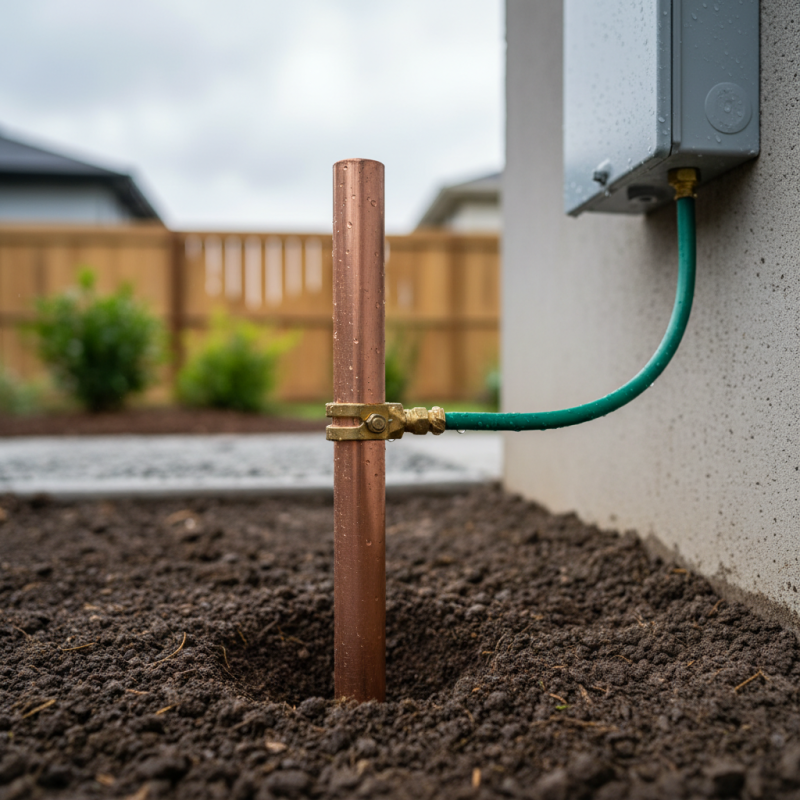
Understanding ground rod copper is essential for any effective electrical system. Ground rods are critical components that provide a pathway for electrical faults to safely dissipate into the earth. According to the National Fire Protection Association (NFPA), improper grounding is a leading cause of electrical shock and fire hazards. Using copper for ground rods is a best practice due to its excellent conductivity and corrosion resistance.
The electrical properties of copper play a significant role in performance. A report from the Institute of Electrical and Electronics Engineers (IEEE) indicates that copper ground rods can reduce resistance to earth by as much as 30% compared to other materials. This means improved safety and stability in case of surges. Additionally, copper rods tend to last longer than other materials, reducing replacement costs over time. However, it's important to ensure proper installation. Inadequate depth or poor soil conditions can undermine effectiveness.
Despite these advantages, over-reliance on copper raises environmental concerns. The mining of copper can lead to habitat destruction and pollution. Efficiency should not overshadow sustainability. Balancing electrical needs with environmental responsibility is crucial for future systems. More discussions on this topic are necessary.
Key Advantages of Using Copper Ground Rods for Electrical Grounding
Copper ground rods offer several key advantages for electrical grounding. They provide excellent conductivity, ensuring a low-resistance path for electrical currents. This feature is crucial for safety. When lightning strikes or a power surge occurs, a copper ground rod efficiently channels excess electricity away.
Durability is another strong point. Copper is resistant to corrosion, which enhances its lifespan underground. This resilience minimizes maintenance needs. However, improper installation can undermine these benefits. Inadequate grounding can lead to electrical faults, presenting risks. It’s essential to adhere to proper techniques when installing these rods.
Lastly, copper is widely available and easy to work with. Electricians prefer it because it is flexible and can be shaped to meet specific site requirements. While the cost may be higher than other materials, the long-term benefits justify the investment. A professional assessment before installation can help pinpoint the best approach for your needs.
Top Benefits of Using Ground Rod Copper for Your Electrical Needs
This chart displays the key advantages of using copper ground rods for electrical grounding. The benefits include corrosion resistance, excellent electrical conductivity, high durability, cost-effectiveness, and installation ease, showcasing why copper is a preferred choice in electrical applications.
Comparative Analysis: Copper Ground Rods vs. Other Materials
When considering grounding solutions, copper ground rods stand out. Copper surpasses materials like aluminum and steel in conductivity. According to a 2021 electrical grounding study, copper provides nearly 23% lower resistance than aluminum. This is vital for efficient grounding, as lower resistance minimizes the risk of electrical shock and equipment failure.
Copper ground rods are also more durable. They resist corrosion better than their counterparts. A report from the National Electrical Manufacturers Association (NEMA) states that copper rods can last over 30 years, even in harsh environments. In contrast, aluminum rods may corrode within a decade. The longevity of copper translates into cost savings over time, as replacements are less frequent.
However, initial costs for copper can be higher. This is a consideration for budget-conscious projects. Many professionals urge a thorough cost-benefit analysis. It’s essential to weigh the upfront investment with long-term reliability. While copper may present challenges, its performance often justifies the expense in critical applications.
Installation Best Practices for Copper Ground Rods in Electrical Systems
When installing copper ground rods, proper practices ensure safety and effectiveness. Start by selecting the right length. A typical copper ground rod is 8 to 10 feet. Choose a location where soil is moist and resistant for optimal conductivity. Avoid rocky areas that can impede installation.
During installation, use a hammer or specialized driver to drive the rod deep into the ground. Make sure the top of the rod is at or below the grade level. This helps avoid accidental contact. Connect the grounding wire securely to the rod using a proper clamp. This ensures a low-resistance path for electrical faults.
Regularly inspect the connections and the condition of the ground rod. Oxidation can impair electrical performance. Check for any signs of wear or corrosion. Don’t overlook the importance of local codes and regulations. Following them ensures that your system is not only effective but compliant too.
Long-Term Benefits of Copper Ground Rods for Safety and Performance
Copper ground rods provide significant long-term benefits for both safety and performance in electrical systems. These rods are highly conductive, ensuring that excess electrical energy can effectively dissipate into the ground. This helps prevent electrical overloads and potential fire hazards. A reliable resistance level is crucial, and copper's natural properties allow for lower resistance than many alternatives.
Furthermore, copper rods resist corrosion over time, unlike steel or aluminum options. This durability means they maintain performance in diverse environmental conditions. An oxidized surface still allows for adequate grounding, but periodic inspection is essential. Without it, corrosion can lead to increased resistance, affecting overall system safety.
Selecting copper over other materials showcases a commitment to quality and long-lasting solutions. However, it requires a deeper understanding of local soil conditions and installations. Professionals must frequently reassess their choices. This proactive approach in maintenance and selection can prevent unforeseen issues. Ultimately, the investment in copper ground rods results in safer and more efficient electrical systems.
Top Benefits of Using Ground Rod Copper for Your Electrical Needs
| Benefit | Description | Long-Term Impact |
| Corrosion Resistance | Copper ground rods resist corrosion in various soil conditions. | Prolongs lifespan and reduces replacement frequency. |
| Electrical Conductivity | Copper has excellent electrical conductivity, ensuring efficient grounding. | Improves system performance and safety. |
| Flexibility in Installation | Copper ground rods are easier to install and manipulate. | Saves time and labor costs during installation. |
| Reliability and Stability | Provides a stable grounding reference, minimizing voltage fluctuations. | Enhances safety and equipment longevity. |
| Improved Safety | Effective grounding reduces the risk of electric shock and fire hazards. | Essential for compliance with safety regulations. |


