Top 10 Benefits of Using Cable Tray Systems in Electrical Installations
In the rapidly evolving world of electrical installations, the importance of efficient and reliable infrastructure cannot be overstated. One of the pivotal components that has emerged as a game-changer in this domain is the cable tray system. As we look towards 2025, the adoption of cable tray solutions has become increasingly prevalent among engineers and installers seeking to optimize wiring management. The integration of cable trays not only simplifies the organization of electrical wiring but also enhances safety and accessibility in a wide array of environments.
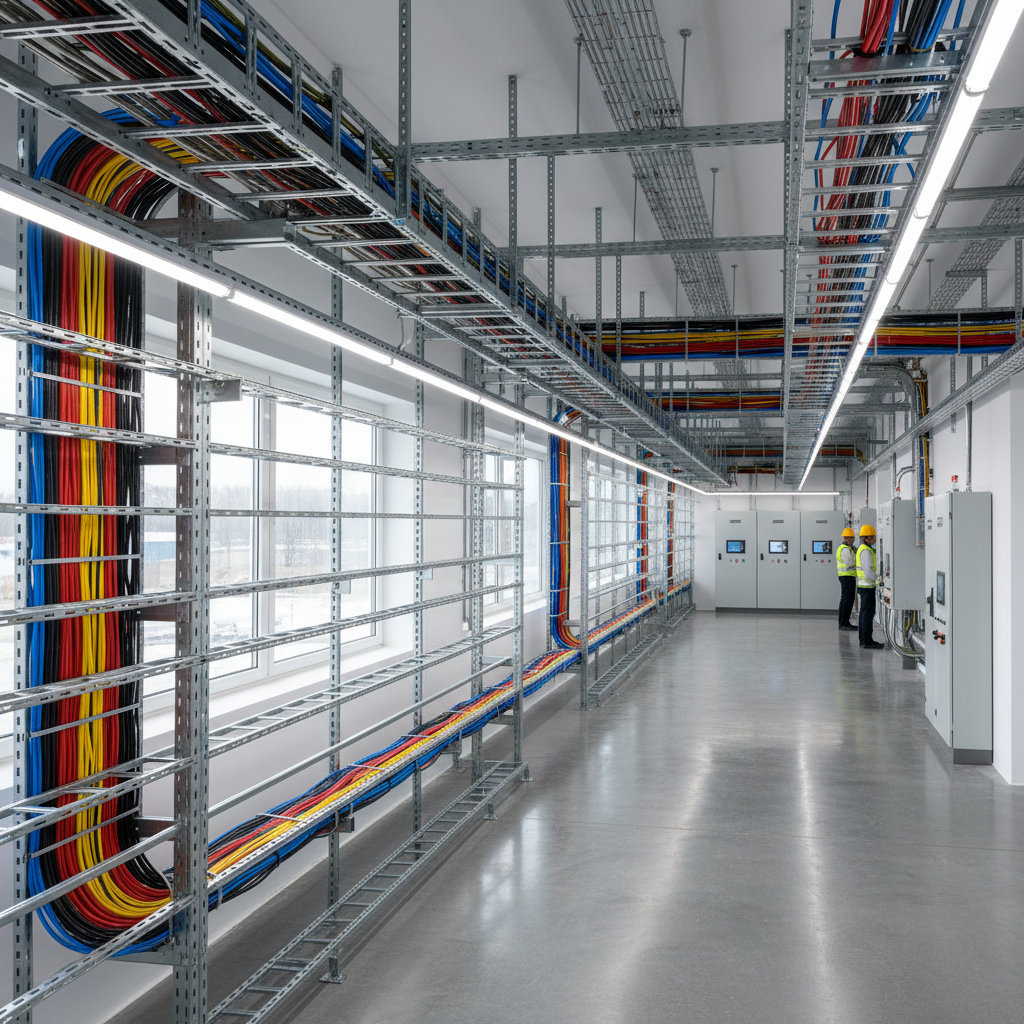
The benefits of utilizing cable tray systems are numerous, spanning from improved installation efficiency to long-term maintenance advantages. These systems provide a versatile and adaptable framework for supporting electrical cables, making them ideal for commercial, industrial, and residential applications alike. Additionally, cable trays facilitate better air circulation around the cables, reducing overheating risks and ensuring that installations remain compliant with safety regulations.
As we delve into the top ten benefits of using cable tray systems, it becomes clear that these solutions are not just a trend but a fundamental shift in how electrical installations are approached. In this article, we will explore how cable trays can enhance efficiency, organization, and safety in any electrical installation project, setting the stage for future advancements in the field.
Advantages of Cable Tray Systems in Modern Electrical Installations
Cable tray systems have revolutionized modern electrical installations, offering numerous advantages that cater to the needs of contemporary projects. One of the primary benefits is their ability to facilitate efficient wire management. According to a report by the National Electrical Contractors Association (NECA), proper wire management can lead to a 30% reduction in installation time, translating to significant labor cost savings. By organizing cables systematically, cable trays help reduce the risks of damage and interference, leading to enhanced safety and reliability in electrical systems.
Another significant advantage of cable tray systems is their versatility and adaptability in various environments. The global market for cable management systems is projected to reach USD 30 billion by 2027, according to a report by Fortune Business Insights. This growth is driven by increasing industrial automation and the need for scalable solutions in energy management. Cable trays can easily accommodate changing layouts, making them ideal for facilities that may undergo future expansions or modifications. Their ability to support various types of cables, including power, control, and data lines, further underscores their importance in today’s dynamic electrical landscape.
Enhanced Safety Features of Cable Tray Systems for Electrical Wiring
Cable tray systems significantly enhance safety features in electrical installations, making them an essential choice for modern infrastructure. One of the primary benefits of these systems is their ability to properly manage and support electrical wiring, which minimizes the risks of accidental damage or disconnection. With designated pathways for various types of cables, cable trays reduce the likelihood of misrouting or tangled wires, thus preventing potential hazards associated with electrical shorts or overheating.
Furthermore, cable trays are designed with materials and structures that provide a fire-resistant enclosure for the cabling. This is crucial in industrial and commercial settings where the density of electrical installations can increase the risk of fire. The open design of cable trays allows for better airflow, which aids in heat dissipation. Additionally, the accessibility of cables for inspection and maintenance enhances overall system safety, as any potential issues can be detected early and addressed without extensive disruption. This proactive approach to safety not only protects assets but also safeguards personnel, ultimately creating a more secure working environment.
Top 10 Benefits of Using Cable Tray Systems in Electrical Installations
| Benefit |
Description |
Safety Feature |
| Enhanced Cable Management |
Organizes and routes cables effectively, reducing clutter. |
Reduces tripping hazards and maintenance risks. |
| Improved Airflow |
Allows for better ventilation around cables. |
Lowers risk of thermal build-up and overheating. |
| Flexibility and Scalability |
Easily adapts to changing layouts and expansions. |
Facilitates maintenance and upgrades without major changes. |
| Protection Against Physical Damage |
Protects cables from impact and abrasion. |
Reduces risk of electrical failures due to damaged cables. |
| Cost-Effectiveness |
Decreases installation and maintenance costs. |
Long-lasting systems reduce replacement expenses. |
| Easy Cable Access |
Simplifies troubleshooting and cable replacement. |
Minimizes downtime during maintenance. |
| Environmentally Friendly |
Made from recyclable materials, promotes sustainability. |
Reduces environmental impact of electrical installations. |
| Reduced Electromagnetic Interference |
Minimizes interference between cables and equipment. |
Enhances system reliability and performance. |
| Compliance with Regulations |
Meets industry safety standards for electrical installations. |
Ensures adherence to local and national codes. |
| Aesthetic Appeal |
Enhances the visual appearance of installations. |
Provides a cleaner, organized installation look. |
Cost-Effectiveness of Cable Tray Systems in Electrical Infrastructure
Cable tray systems offer a cost-effective solution for electrical infrastructure, helping to manage and support electrical cables in commercial and industrial settings. One significant advantage is the reduction in installation and labor costs. Compared to traditional conduit systems, cable trays require less labor-intensive installation, allowing for quicker setups and modifications. This efficiency translates into lower overall project costs, making them a preferred option for businesses looking to maximize their return on investment.
Additionally, cable trays provide versatility and scalability, accommodating changes in electrical loads and configurations more easily than rigid conduit systems. As businesses expand, the ability to reconfigure cable trays without extensive renovations ensures that ongoing costs remain manageable. Furthermore, the durability of materials used in cable tray construction can lead to lower maintenance expenses over time, as they can withstand harsh environments and prevent cable damage. This combination of reduced initial costs and lower long-term maintenance expenses positions cable tray systems as a financially wise choice for modern electrical installations.
Improved Aesthetics and Organization with Cable Tray Systems
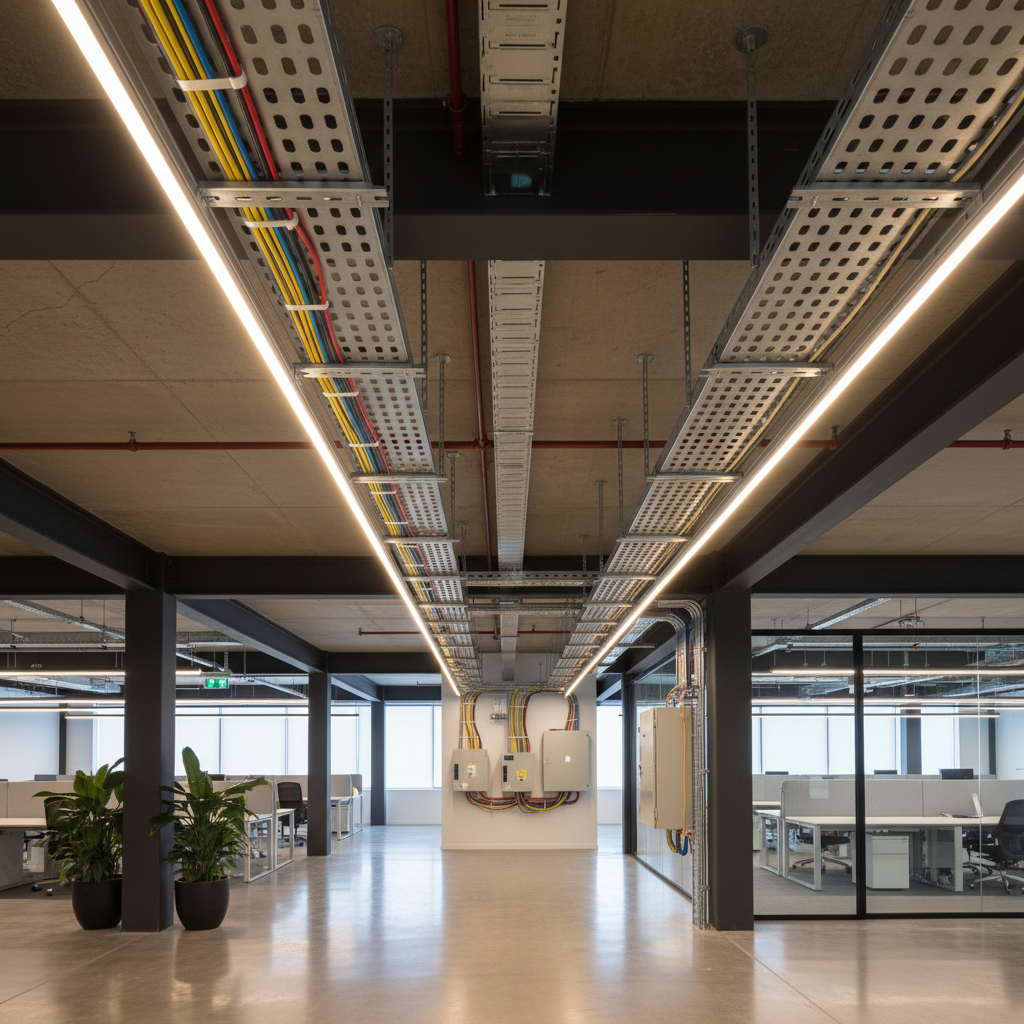
Cable tray systems play a pivotal role in enhancing the
aesthetics and organization of electrical installations. By providing a
structured pathway for cabling, these systems eliminate the clutter often associated with traditional
wiring methods. According to a report by the National Electrical Manufacturers Association (NEMA),
utilizing cable trays can reduce installation and maintenance costs by approximately
20% while also improving the visual appeal of the infrastructure.
This not only presents a clean appearance for commercial spaces but also makes routine inspections and repairs
significantly more manageable.
Moreover, the organization provided by cable trays promotes better airflow around electrical components,
reducing heat buildup, which is crucial for maintaining equipment longevity. The
International Electrotechnical Commission (IEC) highlights that optimal cable management can
enhance system reliability by up to 30%. This systematic arrangement not
only aids in reducing the risk of accidents but also ensures compliance with safety regulations, further
elevating the overall quality of electrical installations. As industries continuously seek efficiency and professionalism,
the adoption of cable tray systems stands as a practical solution that meets both aesthetic and functional requirements.
Flexibility and Scalability Benefits of Cable Tray Systems in Design
Cable tray systems offer significant flexibility and scalability in the design of electrical installations, making them an essential choice for modern infrastructure. The modular nature of cable trays allows for easy adjustments and expansions, enabling engineers and designers to reconfigure layouts as project requirements evolve. Whether accommodating additional power lines or reorganizing existing cables, cable trays can be modified with minimal disruption to ongoing operations, leading to increased efficiency during installation and upgrades.
Moreover, the adaptability of cable tray systems supports future growth and technological advancements. As businesses expand or integrate new technologies, the cable management solutions must keep pace. Cable trays can be easily expanded, ensuring that additional space is available for new cables without necessitating a complete redesign of the existing installation. This scalability not only minimizes project costs over time but also enhances the longevity of the electrical system, serving as a robust framework that can adapt to various needs and innovations in electrical infrastructure.
Top 10 Benefits of Using Cable Tray Systems in Electrical Installations