Blog
Top 10 Types of Air Release Valves for Global Buyers?
Air trapped inside a pipeline can interrupt flow, increase pressure fluctuations, and reduce operating efficiency. An Air Release Valve allows accumulated air to escape while a system remains in service. For global buyers, selecting the right design means looking beyond connection size or purchase price. Operating pressure, fluid conditions, pipeline profile, and maintenance access all matter. Small details matter.
This guide compares ten common valve types and explains where each design may fit. Some release small air pockets during operation. Others discharge larger volumes during pipeline filling or help limit vacuum risks. Their differences affect sizing, installation, and upkeep. A float mechanism, orifice arrangement, and body material can all influence performance in a specific system. Yet product labels are not always consistent. That deserves attention.
The sections ahead cover air-release, air-vacuum, and combination designs, along with other configurations used in water and industrial pipelines. They also outline practical questions buyers can ask suppliers, including test data, pressure range, materials, and service requirements. Check specifications against actual project conditions and manufacturer documentation, rather than copying details from a similar installation. No type is best everywhere. Even experienced teams may need to revisit their assumptions when site elevation, water quality, or operating cycles change. Use this comparison as a starting point, not a substitute for engineering review.
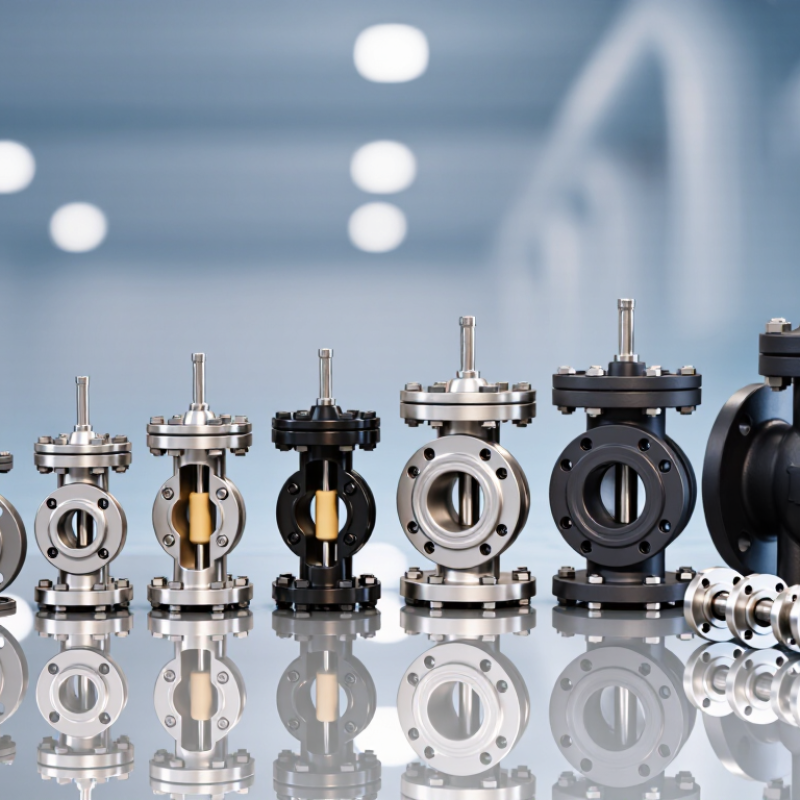
Air Release Valves: Purpose, Components, and Basic Functions
Air release valves protect pressurized pipelines by removing unwanted air from water systems. Trapped air can reduce flow, increase energy use, and create unstable pressure. In severe cases, it may contribute to water hammer or pipeline damage. These valves are commonly installed at high points, long rising sections, and locations where air naturally collects.
A typical valve contains a body, float, lever mechanism, sealing seat, cover, and outlet passage. Some designs also include an isolation valve for maintenance. During pipeline filling, air moves toward the valve and escapes through the outlet. As water enters, the float rises and closes the sealing seat. When air accumulates during normal operation, the float drops slightly and opens the small discharge port. Air leaves, then the valve closes again.
Different applications require different functions. Air-release valves remove small air pockets under operating pressure. Air-vacuum valves release large air volumes during filling and admit air during draining. Combination valves perform both roles. Selection should consider pipe diameter, pressure range, water quality, flow conditions, and installation height. Sizing is still where mistakes happen.
Field experience shows that a technically correct valve can perform poorly when installed without proper access or drainage. A dirty outlet can restrict movement. This detail is easy to overlook. Regular inspection, safe isolation, and checking the float mechanism improve reliability, although real installations are rarely as tidy as design drawings.
How Air Release Valves Work in Water and Pipeline Systems
Air release valves protect water and pipeline systems by managing trapped air. During filling, air moves toward high points, where the valve releases it through a small outlet. Without this relief, an air pocket can reduce flow, increase pumping costs, and create unstable pressure.
When the pipeline drains, the valve admits air through its larger opening. This action helps prevent vacuum conditions, pipe deformation, and sudden column separation. In operating lines, a combination air valve can perform both tasks: releasing small air bubbles during normal flow and discharging larger volumes during filling. The float mechanism rises with water and closes the outlet. When air enters the chamber, the float falls and opens it again.
Field experience shows that location matters as much as valve size. Engineers commonly install valves at summits, long uphill sections, sudden downward transitions, and points near control equipment. A poorly placed valve may remain quiet while air collects elsewhere. That is easy to miss.
Sizing should reflect pipe diameter, filling speed, drainage conditions, and expected pressure changes. Small valves are not automatically safer. Oversized outlets can also cause rapid pressure changes if selected without analysis. Maintenance crews should inspect the float, seat, screen, and discharge pipe for corrosion or debris. The explanation sounds simple, but real systems are not. Temperature, water quality, and uneven terrain can change valve behavior over time. Testing under operating conditions is often wiser than trusting calculations alone.
| No. | Valve Type | Primary Function | How It Works | Typical Installation Location | Typical Pressure Range* | Common Materials | Best-Suited Systems |
|---|---|---|---|---|---|---|---|
| 1 | Automatic Small-Orifice Air Release Valve | Continuously removes small quantities of trapped air while the pipeline is operating under pressure. | A float drops when air accumulates, opening a small discharge orifice. Water lifts the float and closes the orifice after the air is released. | High points, long rising sections, and locations where air collects during normal operation. | Approximately 0.2–25 bar, depending on design and size. | Ductile iron, cast iron, stainless steel, engineered polymers, EPDM or NBR seals. | Pressurized water transmission and distribution pipelines. |
| 2 | Large-Orifice Air and Vacuum Valve | Admits large volumes of air during pipeline filling or draining and releases air during filling. | A large float opens the main orifice when the line is empty or draining. Positive pressure lifts the float to close the opening during normal operation. | Pipeline summits, downstream of pumps, and sections that may drain because of a break or shutdown. | Approximately 0.2–40 bar, subject to the specified model. | Ductile iron, carbon steel, stainless steel, elastomers, and corrosion-resistant coatings. | Water mains, raw-water pipelines, irrigation, and pumping systems. |
| 3 | Combination Air Valve | Performs both continuous air release and large-volume air admission or discharge. | Combines a small automatic air-release orifice with a larger air-and-vacuum orifice in one valve body. | High points and other critical locations requiring both surge protection and continuous air removal. | Commonly available from approximately 0.2–40 bar. | Ductile iron or cast iron bodies, stainless steel internals, and EPDM or NBR seals. | Municipal water, industrial water, irrigation, and long-distance pipelines. |
| 4 | Double-Orifice Air Valve | Provides controlled large-volume air movement during filling, draining, or vacuum conditions plus small continuous air release. | Uses separate large and small orifices to manage pipeline air at different operating stages. | Pipeline summits, steep profiles, pump discharge lines, and locations exposed to transient conditions. | Typically selected within PN10, PN16, PN25, or higher classes according to design requirements. | Ductile iron, stainless steel, coated carbon steel, and water-service elastomers. | Transmission mains and systems with frequent filling or draining cycles. |
| 5 | High-Pressure Air Release Valve | Continuously removes small air pockets from pipelines operating at comparatively high pressure. | A pressure-rated float mechanism opens a small orifice when accumulated air reduces buoyancy around the float. | High-pressure water mains, pump discharge pipelines, and elevated transmission systems. | Often designed for 25–40 bar or more, depending on the pressure class. | High-strength ductile iron, carbon steel, stainless steel, and reinforced sealing materials. | High-head pumping, industrial water, and pressurized transmission systems. |
| 6 | Low-Pressure Air and Vacuum Valve | Protects low-pressure pipelines against vacuum collapse and allows rapid air admission or discharge. | The float moves away from the seat when internal pressure falls below atmospheric pressure, allowing air into the pipeline. | Gravity mains, low-head pipelines, pump suction lines, and sections vulnerable to rapid drainage. | Usually applied at low operating pressure; the exact vacuum and pressure limits are design-specific. | Cast iron, ductile iron, PVC-compatible components, stainless steel, and elastomers. | Gravity water systems, irrigation, and low-head pumping applications. |
| 7 | Sewage Air Valve | Removes and admits air in wastewater pipelines while reducing clogging and odor-related operating problems. | Enclosed floats and specialized discharge paths separate wastewater from the air-release mechanism and reduce contamination. | High points, force mains, long rising sewage mains, and locations with hydraulic grade changes. | Commonly selected for approximately 0.2–25 bar, depending on the wastewater application. | Epoxy-coated ductile iron, stainless steel, corrosion-resistant alloys, and wastewater-compatible elastomers. | Wastewater force mains and sewage pumping systems. |
| 8 | Wastewater Combination Air Valve | Handles both continuous air release and large air intake or exhaust in sewage and contaminated-water pipelines. | Combines a protected small-orifice mechanism with a large air-and-vacuum passage designed for wastewater service. | Sewage force-main summits, pump discharge lines, and long rising sewer pipelines. | Often available in pressure classes such as PN10, PN16, or application-specific ratings. | Coated ductile iron, stainless steel, non-clog internal parts, and resistant elastomers. | Municipal wastewater and industrial effluent systems. |
| 9 | Surge-Control Air Valve | Reduces pressure transients caused by rapid changes in water velocity, pump trips, or sudden valve operation. | Controls the rate of air admission and exhaust through staged or throttled openings to moderate hydraulic transients. | Near pump stations, downstream of control valves, at high points, and on long pipelines with severe elevation changes. | Selected according to transient analysis; pressure classes commonly include PN16, PN25, and higher. | Ductile iron or steel bodies, stainless steel throttling parts, and engineered elastomers. | Large water transmission mains and high-head pumping systems. |
| 10 | Air Inlet and Vacuum-Breaker Valve | Rapidly admits atmospheric air when internal pressure approaches vacuum, helping prevent pipe collapse and column separation. | A pressure-sensitive float or disc opens when pipeline pressure falls below the set condition and closes when positive pressure is restored. | Long downhill sections, pump suction lines, pipeline crests, and locations vulnerable to sudden drainage. | Usually specified by vacuum capacity and pressure class rather than one universal pressure range. | Ductile iron, stainless steel, carbon steel, and water-service elastomers. | Water, irrigation, industrial fluid, and large-diameter pipeline systems. |
The 10 Main Types of Air Release Valves and Their Differences
Top 10 Types of Air Release Valves for Global Buyers?
Air release valves remove trapped air from pressurized pipelines. Their differences mainly involve air volume, pressure response, and operating purpose. A single-orifice valve releases small air pockets during normal operation. A large-orifice air vacuum valve admits or expels large air volumes during filling and draining. A combination valve performs both tasks. Kinetic valves manage high-volume air movement without closing too early. Double-orifice valves separate large and small openings. Triple-function valves add air-release control during operation. Non-slam valves reduce sudden closure and water hammer. Sewage air valves tolerate wastewater gases and suspended solids. High-pressure valves suit deep or heavily loaded pipelines. Low-pressure valves protect smaller distribution lines.
The classification is not always clean. Some manufacturers use different names for similar designs. ISO 16138 and related pipeline guidance emphasize functional performance, sizing, and safe pressure control rather than marketing labels. Grand View Research estimated the global industrial valves market at about US$78 billion in 2024, with continued growth through 2030. That scale reflects demand for reliable flow control, but air valve selection still depends on field conditions. Pipe diameter, elevation changes, fluid quality, operating pressure, and transient risk matter more than catalog popularity.
In practice, I inspect high points first. A valve installed beside a pump may need non-slam behavior. A long rising pipeline may require kinetic capacity. Wastewater service needs stronger protection against fouling. Oversizing is also imperfect. It can increase closure shock. Undersizing leaves air trapped like a soft spring inside the line. Pilot testing and site data remain essential.
Common Applications Across Industries and Pipeline Conditions
Top 10 Types of Air Release Valves for Global Buyers
Air release valves protect pipelines by removing trapped air and admitting air during draining. Common types include small-orifice, large-orifice, combination, kinetic, automatic, double-orifice, high-pressure, sewage, vacuum-breaker, and surge-control valves. Each design responds differently to pressure, flow speed, and water quality.
In municipal water mains, small-orifice valves release collected air during normal operation. Large-orifice and kinetic valves admit air when a line drains or pressure drops suddenly. Combination valves handle both conditions, making them practical for long transmission pipelines.
High-pressure models suit deep pumping systems, where pressure can exceed ordinary operating ranges. In wastewater networks, sewage air valves need wider passages and protective features because solids and unpleasant gases may build up.
Industrial pipelines require closer attention. Cooling-water systems may need corrosion-resistant materials and frequent inspection points. Irrigation lines often benefit from vacuum protection near high elevations and pump outlets. Sloped pipelines, bridge crossings, and long downhill sections can trap air in unexpected locations. Placement matters as much as valve type.
A field survey helps.
Engineers should check pipe profile, maximum pressure, draining speed, fluid temperature, and maintenance access. Poor sizing may cause water hammer, noisy discharge, or repeated leakage. Even experienced teams sometimes select valves from flow data alone. That approach is incomplete. Actual operating changes, dirty water, and difficult access can alter performance. Testing under realistic conditions remains the most reliable choice.
How Global Buyers Can Choose the Right Air Release Valve
Top 10 Types of Air Release Valves for Global Buyers
Choosing an air release valve starts with the pipeline, not the catalog. Common options include automatic air release, air vacuum, combination, double-orifice, high-pressure, wastewater, well service, surge-control, vacuum-breaker, and air-inlet valves. Each type handles a different air movement problem.
An automatic valve removes small trapped air pockets during operation. An air vacuum valve admits and releases large air volumes during filling or draining.
Check the pipeline’s highest points, operating pressure, temperature, fluid quality, and expected flow rate. Dirty water may require a larger outlet and a protected float mechanism. Corrosive fluids need suitable body and internal materials. For long rising sections, engineers often review several valve locations, not just one. Field inspections also matter. A technically correct valve can fail when installed near turbulence, flooding, or freezing conditions. I have seen sizing decisions change after reviewing the actual pipeline profile.
Tips: Compare the minimum and maximum working pressure with the valve rating. Confirm whether the valve needs air release, air admission, or both. Review local testing and installation requirements before purchase. Ask for flow curves, material details, maintenance procedures, and verified test records. Do not choose by connection size alone. It is quick, but often incomplete. Allow space for safe servicing, and question any design that cannot explain its failure mode.
Article Source:
Exclusive Access
Unlimited Resources
Detailed information on our products to assist you with the planning of your cable management project
Register Now